This Act prohibits the federal recognition of marriages between individuals related as first cousins or closer.
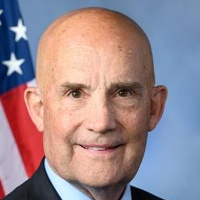
Keith Self
Representative
TX-3
This Act establishes a federal prohibition on marriages between individuals who are related as first cousins or closer. It amends federal law to ensure that such relationships are not recognized under the United States Code.
Federal Ban on First-Cousin Marriage: What It Means for Your Family and Future
Alright, let's talk about something a bit… sticky. There’s a new bill on the table, the Consanguineous Marriage Prohibition Act of 2026, and it’s looking to change how the federal government views certain family unions. Specifically, it's taking a hard line against marriages between first cousins or anyone closer in relation. This isn't just some dusty legal update; it could shake things up for a lot of people.
The New Rule: No More First-Cousin Marriages, Federally Speaking
So, what's the deal? The core of this bill, outlined in SEC. 2, is pretty straightforward: it amends federal law so that marriages between first cousins (or closer relatives) are no longer recognized. Think of it like this: if you previously saw a federal document or law that referred to "2 individuals" in the context of marriage, it will now explicitly say "2 individuals who are not related by affinity or consanguinity within the degree of first cousin." This means if you're a first cousin, and you're thinking about tying the knot, or you already have, the federal government is basically saying, "Nope, not on our watch."
Who Feels the Pinch?
This isn't just abstract legal talk; this has real-world implications. For starters, if you're in a state that currently does allow first-cousin marriages, this federal ban could create a real headache. Suddenly, a marriage that's perfectly legal in your state might not be recognized when it comes to federal benefits, tax filings, or even immigration status. Imagine being a couple, married legally in your home state, only to find out that for federal purposes, your union is a ghost. That's a huge shift, potentially affecting everything from social security benefits to how you file your taxes.
Then there are the couples already in first-cousin marriages. This bill doesn't just look forward; it could retroactively impact the federal recognition of their unions. While the bill doesn't explicitly state what happens to existing marriages, the language of non-recognition could create a whole new layer of legal and administrative hurdles for these families. It's like having the rug pulled out from under you, even if you followed all the rules when you got married. This isn't just about future weddings; it’s about established lives.
The Bigger Picture: Federal vs. State Authority
Historically, marriage laws have largely been the domain of individual states. This bill, by creating a federal prohibition, steps into that space. While many states already prohibit first-cousin marriages, some do allow them, sometimes with specific conditions. This federal move could be seen as a bit of an overreach, essentially telling states that their definitions of marriage, in this specific instance, don't align with federal standards. It raises questions about where the line is drawn between federal and state authority, and how much the federal government can dictate personal and familial choices. For busy folks, this means another layer of legal complexity to navigate, especially if you live in a state where these marriages are currently permitted. It's a prime example of how a seemingly niche piece of legislation can have ripple effects across different layers of government and into the daily lives of citizens.