This bill establishes several initiatives to strengthen the community health workforce by improving recruitment, retention, training pipelines, and expanding services at Federally Qualified Health Centers.
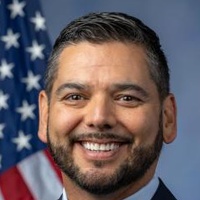
Raul Ruiz
Representative
CA-25
The Developing the Community Health Workforce Act of 2026 aims to strengthen healthcare access in underserved areas by boosting the workforce at Federally Qualified Health Centers (FQHCs). It establishes new grant programs for recruitment, loan repayment, and training pipelines, including apprenticeships and partnerships with higher education. Furthermore, the bill expands the services FQHCs can offer under Medicare and Medicaid and increases opportunities for graduate medical education training at these centers.
New Bill Boosts Health Workforce: FQHCs Get Loan Repayments, Medicare Expands Behavioral Health by Oct 2025
Alright, let's talk about the Developing the Community Health Workforce Act of 2026. This bill is basically a big push to get more healthcare pros into places that really need them, especially our Federally Qualified Health Centers (FQHCs) and rural clinics. Think of it as a multi-pronged effort to shore up our local health outposts, making sure they’re staffed up and ready to serve.
Staffing Up Our Local Health Hubs
First up, the bill wants to make it easier for FQHCs and rural health clinics to get top talent. It says the feds should give priority placement to these centers when assigning folks from the National Health Service Corps. That means if you’re a healthcare professional looking to serve, places like your local community clinic could be your first stop. On top of that, the Secretary of Health and Human Services is getting the green light to dish out grants to FQHCs specifically for loan repayments for their healthcare staff. So, if you’re a nurse or a doctor drowning in student debt and working at an FQHC, this could be a huge relief, helping centers keep good people on board and attract new ones. This is all about making sure these vital centers aren't constantly scrambling for staff.
Building the Next Generation of Caregivers
This bill isn't just about shuffling existing staff; it's also about building the future workforce. It creates a Community Health Center Workforce Pipeline Program. This means grants for health centers to recruit and retain staff, especially those with skills for rural and underserved areas. And here’s a cool one: within 180 days of this bill becoming law, FQHCs will be eligible to register as apprenticeship programs. Imagine learning on the job at a clinic, getting hands-on experience, and potentially getting your training costs covered. That's a game-changer for folks looking to get into healthcare without racking up massive debt. The bill also throws money at partnerships between colleges (including community colleges and minority-serving institutions) and health centers to train students. This isn't just for doctors and nurses; it covers everything from clinical care to IT and finance within a health center setting. Plus, there’s a specific grant program to help health centers train up behavioral health specialists, which, let's be real, we desperately need more of.
Expanding Training and Services
Now, for the big-picture stuff. The bill wants to expand graduate medical education (GME), basically where doctors do their residencies. It allows teaching health centers to get payments if they have a solid agreement with a sponsoring institution, starting October 1, 2025. Even bigger, if a hospital runs a residency program where a significant portion of the training happens at an FQHC, that hospital can count 3 more full-time equivalent residency positions for Medicare GME payments, also starting October 1, 2025. This is a smart move to get more doctors training in community settings, which often means they’re more likely to stay and practice there.
Finally, the bill expands what FQHCs can cover under Medicare and Medicaid. Starting October 1, 2025, FQHCs can provide behavioral health services (think behavioral health consultants and peer support specialists) and case management services to Medicare beneficiaries. The same goes for Medicaid. This is huge because it formally recognizes and funds services that are critical for holistic patient care but often fall through the cracks. The bill also requires an annual study by October 1, 2025, on how states are paying FQHCs through Medicaid and then issuing guidance on best practices. This could mean more stable and fair funding for FQHCs down the line.
What to Keep an Eye On
While this bill is packed with good intentions, there are a few spots where the devil could be in the details. For instance, when it comes to those loan repayment grants, the Secretary gets to decide the 'timing, format, and additional information required' for applications (Section 2). That's a lot of wiggle room, and we'll want to see clear, consistent rules so everyone gets a fair shot. Also, that 'significant portion' of training at an FQHC needed for hospitals to get more GME positions (Section 4) isn't precisely defined. How much is 'significant'? That could lead to some head-scratching or even disputes. Lastly, the Secretary will issue guidance on state Medicaid payments after a study (Section 5), but how strong that guidance will be, and whether states actually follow it, remains to be seen. Overall, this bill is a solid step toward strengthening our community health infrastructure, but like any big piece of legislation, the real impact will be in the implementation.