This bill modernizes the U.S. Trade and Development Agency by expanding its authority to fund projects in high-income countries and increasing its personnel flexibility.
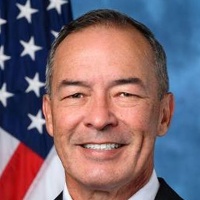
James (Jim) Moylan
Representative
GU
The United States Trade and Development Agency Modernization Act of 2026 aims to update the USTDA to better advance U.S. commercial and security interests abroad. This legislation expands the agency's authority to fund early-stage project preparation in high-income countries, up to 15% of its annual budget, specifically targeting strategic energy and infrastructure sectors. Additionally, the bill enhances USTDA's personnel flexibility by increasing the number of appointed staff and allowing for the use of personal services contractors.
USTDA Modernization Act Expands Global Reach, Allows More Contractors by 2026
Alright, let's talk about the United States Trade and Development Agency Modernization Act of 2026, or the "USTDA Modernization Act" for short. This bill is looking to give the U.S. Trade and Development Agency (USTDA) some new tools and a broader playing field, especially when it comes to international projects and how it staffs up.
Expanding the Playground: High-Income Countries Get a Look-In
Currently, the USTDA primarily focuses on emerging markets, helping U.S. businesses get a foot in the door with early-stage project development. But this new bill, specifically Section 3, is shaking things up. It's going to allow the USTDA to spend up to 15% of its annual budget in high-income countries. That's a pretty significant shift. We're talking about places like Germany or Japan, not just developing nations. The catch? These projects have to serve U.S. strategic interests in specific sectors: energy, critical minerals, transport, or telecommunications. So, if you're working in, say, a U.S. solar panel manufacturing company, this could mean new opportunities for your business to participate in projects in more developed economies, potentially boosting American exports and jobs here at home. However, the bill uses phrases like "directly affect U.S. economic and national security," which is pretty broad. That kind of language means the agency gets a lot of wiggle room to decide what fits the bill, and that can be a double-edged sword: flexibility for good projects, but also potential for projects that might not be as directly beneficial to everyday American taxpayers.
More Hands on Deck: The Contractor Conundrum
Section 4 of the bill deals with how the USTDA hires its people. First, it bumps up the number of specific personnel the agency can appoint from 2 to 5. That's a small but notable increase in its direct hiring power. More interestingly, it adds a new provision allowing the USTDA to bring on individuals as "personal services contractors." Here's the kicker: these contractors won't be considered federal employees for pretty much any law the Office of Personnel Management handles. Think about it like this: if you're a federal employee, you've got a whole stack of protections, benefits, and rules. These contractors? Not so much. For a small business owner who might be looking to contract with the government, this could open up new avenues. But for current federal employees, this could feel a bit like the agency is trying to get around traditional hiring processes, potentially leading to less job security or different standards for those doing similar work. The bill does require the USTDA Director to send an annual report to Congress detailing how many of these contractors are hired, what they're doing, and how much they cost, which is a good step for transparency. But it's worth keeping an eye on whether this leads to a significant shift in the agency's workforce makeup and if these contractors get the same oversight as traditional employees.