This act establishes federal grant programs administered by the FCC to increase enrollment in the Lifeline broadband assistance program through state outreach and by strengthening state database connections to the National Lifeline Eligibility Verifier.
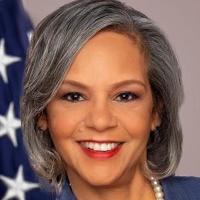
Robin Kelly
Representative
IL-2
The Promoting Access to Broadband Act of 2026 establishes federal grant programs to increase enrollment in the Lifeline program for discounted internet and phone service. One program funds states to conduct outreach and inform eligible low-income individuals about the service. The second program provides grants to states to improve the connection between their benefit databases and the National Lifeline Eligibility Verifier, streamlining eligibility checks.
New Bill Boosts Lifeline Outreach, Connects State Benefit Databases to National Verifier
Ever felt like you’re missing out on a program that could save you money because the signup process is a maze, or you just never heard about it? The Promoting Access to Broadband Act of 2026 is looking to fix that for discounted internet and phone service. This bill is all about getting more eligible folks connected and making the whole process a lot smoother.
Clearing the Path to Lifeline
First up, this bill tackles the awareness gap head-on. It sets up a new grant program through the FCC (that’s the Federal Communications Commission) to help states actually find people who qualify for the Lifeline program but aren't currently enrolled. Think of it this way: instead of waiting for you to stumble upon the Lifeline program, your state could soon be getting funds to actively tell you, "Hey, you might be eligible for cheaper internet!" States will get grants to inform individuals and organizations about eligibility, explain how to apply, and even help people navigate the application process, including connecting with non-profits that are already doing this work on the ground. The FCC has to make sure states know about these grants and then pick at least 25% of applicants, giving a leg up to states with more eligible folks or plans that promise to reach a high percentage of them. This means more outreach, more information, and potentially, more people getting the affordable internet they need.
Streamlining Eligibility Checks
Then there's the part that tackles the paperwork headache. The bill also creates a grant program to help states link up their benefit databases (like those for SNAP or Medicaid) with the National Lifeline Eligibility Verifier. Right now, verifying if someone qualifies for Lifeline can sometimes be a clunky process. By connecting these databases, if you're already receiving state benefits, that information could automatically pop up in the national system, making your Lifeline application much quicker and less of a hassle. The FCC has 90 days from the bill's enactment to get this program rolling and then 120 days to get the money out to states. This is a big deal for anyone who's ever had to jump through hoops to prove eligibility for a program—it aims to cut down on that administrative burden significantly.
What This Means for Your Wallet and Your Day
So, what's the real-world impact here? If you're one of the millions of Americans who qualify for the Lifeline program but haven't enrolled, this bill could mean you'll soon hear directly about the opportunity to save money on your monthly internet or phone bill. Think about a family juggling rising costs: a $9.25 discount on internet might not sound like a fortune, but it adds up, especially when every dollar counts. For a small business owner relying on a stable internet connection, or a student needing reliable access for homework, this could be a game-changer. The goal is to make sure more people can afford to stay connected, which is pretty essential in today's digital world, whether you're applying for jobs, managing your finances, or just keeping up with family. By making it easier to find out about and sign up for Lifeline, this bill is trying to ensure that more people can access these crucial services without unnecessary hurdles. The FCC will even report back to Congress within three years on how well the outreach program worked, including how many new folks signed up, so we'll get a clearer picture of its effectiveness.