This bill bans certain institutions of higher education from receiving federal research and development awards for five years if they accept foreign funding for specified national security-related research tasks.
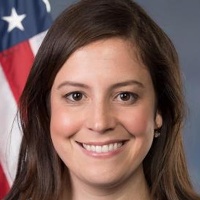
Elise Stefanik
Representative
NY-21
This bill amends the National Defense Authorization Act to prohibit certain institutions of higher education from receiving federal research and development awards for five years. This ban is triggered if the institution receives funding from a specified foreign government or its entities to conduct research related to national security or military applications. The legislation specifically targets sensitive areas like artificial intelligence, biotechnology, and quantum information science.
New Bill Proposes Five-Year Ban on Federal R&D Awards for Colleges with Foreign Ties in AI, Biotech, Quantum Research
Alright, let's talk about a new piece of legislation that could really shake up how universities get their research funding, especially in some super hot fields. This bill aims to amend the National Defense Authorization Act for Fiscal Year 2021, and its main idea is pretty straightforward: if a college or university takes money from certain foreign sources for specific types of research, they could be locked out of federal research and development (R&D) awards for five years.
The 'What's the Catch?' Clause
The core of this bill, outlined in Section 1, is about putting a five-year timeout on federal R&D awards. Here's the deal: if a university receives funds from a 'foreign source' to do a 'specified task,' then boom, no federal R&D awards for half a decade. Now, what's a 'specified task'? We're talking about research and development that touches on national security or military applications. The bill specifically calls out artificial intelligence (AI), biotechnology, and quantum information science — basically, the cutting-edge stuff that's crucial for future tech and defense.
Think about it this way: if a university lab is working on, say, a new AI algorithm for medical imaging, and they get some funding for that project from a foreign entity, this bill could slam the door shut on their ability to get federal grants for five years. This isn't just a slap on the wrist; for many institutions, federal R&D awards are their lifeblood, funding everything from graduate student stipends to state-of-the-art equipment.
Who Are These 'Foreign Sources' Anyway?
The bill isn't shy about naming names. A 'foreign source' isn't just any international partner. It specifically points to governments like Venezuela, North Korea, Iran, China, Cuba, Turkey, Russia, and Qatar. And here's where it gets interesting: the Secretary of State can add any other country to this list if they deem it appropriate. This broad authority means the list of prohibited foreign sources could expand, potentially catching more universities and research projects in its net.
So, if a university's biotech department is collaborating with a research institute that's 25% owned by, say, the Chinese government, even if the research seems benign, that could trigger the five-year ban. For a researcher who's spent years building international collaborations, this could be a major headache, disrupting ongoing projects and future opportunities. It's like suddenly finding out your favorite coffee shop won't accept your loyalty card anymore because they got a new supplier from a 'restricted' country, even if the coffee tastes the same.
The Real-World Ripple Effect
This legislation could create some serious ripple effects. For institutions that rely heavily on international funding or collaborative projects, especially in those high-tech fields, this bill could force them to make tough choices. Do they cut ties with foreign partners to keep their federal funding streams open? Or do they risk losing out on federal awards, which could mean fewer resources for their researchers, fewer jobs for their staff, and a slower pace of innovation?
Consider a small university that's carved out a niche in quantum computing, attracting talent and funding from around the globe. If one of their key partners is linked to a 'specified foreign government,' even indirectly, this bill could pull the rug out from under them. This isn't just about big-name universities; it affects the entire ecosystem of research and development, from the grad student coding late into the night to the lab manager ordering specialized equipment. The goal is clearly to safeguard national security, but the path it takes could mean a lot of institutions and researchers find themselves walking on eggshells, trying to navigate a complex web of definitions and prohibitions that could change at the Secretary of State's discretion. It's a tricky balance between protecting sensitive research and not stifling the very innovation that keeps us competitive globally.