This bill requires institutions applying for federal research and development awards to certify they do not operate a branch campus in specified foreign countries.
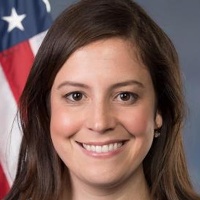
Elise Stefanik
Representative
NY-21
This bill amends existing law to require institutions of higher education to certify they do not operate certain branch campuses in specified foreign countries when applying for federal research and development awards. This certification requirement is intended to enhance research security. The bill specifically lists several countries, including China and Russia, for which this restriction applies.
Federal Research Funds Tied to University Branch Campus Locations: New Rules for Global Academia
Alright, let's talk about something that could quietly reshape how our universities operate on the global stage, especially for those involved in cutting-edge research. This new bill basically says, if you're a university looking for federal research and development dollars, you're going to have to certify that you don't run a 'branch campus' in a specific list of countries.
The Global Campus Check-Up
So, what's the deal? Within two years of this bill becoming law, any federal agency handing out research and development awards will require universities to sign off that they don't have a branch campus in places like China, North Korea, Iran, Venezuela, Cuba, Turkey, Russia, or Qatar. And here's the kicker: the Secretary of State can add any other country they deem appropriate to that list. A 'branch campus' isn't just a study abroad program; we're talking about a permanent unit with its own faculty, administration, and budget, offering degrees. This isn't a small ask; it's a fundamental shift for institutions that have built global networks.
Where the Rubber Meets the Road for Universities
For universities that have invested heavily in international collaboration, this bill could force some tough decisions. Imagine a university with a robust engineering program that has a branch campus in, say, China, focused on joint research. Under this bill, to keep getting federal grants for their main campus research, they'd either have to shut down that branch campus or risk losing critical funding. This isn't just about geopolitics; it's about the practicalities of running a global institution. It could mean fewer opportunities for students to study abroad in certain regions or for faculty to engage in international research partnerships that have been years in the making. For a researcher whose grant relies on federal funding, this could mean suddenly losing access to resources if their institution has these international ties.
The Unseen Costs of Compliance
This bill aims to beef up research security, which sounds good on paper, especially when we're talking about protecting intellectual property. However, the way it's structured leaves a lot of room for interpretation and potential headaches. The broad power given to the Secretary of State to add countries to the blacklist without clear criteria is a bit of a red flag. It opens the door for political considerations to dictate academic partnerships, potentially stifling valuable scientific exchange. For example, a university might have a branch campus in a country that's not currently on the list but could be added tomorrow, putting their federal funding in jeopardy overnight. This uncertainty makes long-term planning a nightmare. It also means that institutions with existing operations in these countries could face significant disruption and a potential loss of research funding, impacting everything from faculty salaries to cutting-edge lab equipment. It's a classic case where the pursuit of security might inadvertently limit academic freedom and global collaboration, which are often key to innovation.