This bill revises the Defense Community Infrastructure Program to expand eligibility, broaden the use of funds for infrastructure projects, and include Coast Guard installations.
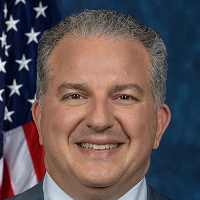
Jimmy Patronis
Representative
FL-1
This bill revises the Defense Community Infrastructure Program to expand eligibility to include states, tribes, and nonprofits, and broadens the allowable uses of funds for infrastructure projects supporting military installations. It also expands the program to include Coast Guard installations, requiring coordination with the Commandant of the Coast Guard for related funding. Furthermore, the legislation establishes a cost-sharing requirement, limiting the federal share of project costs to 80 percent.
Defense Infrastructure Program Expands to Include Coast Guard, Boosts Community Resilience Projects
Alright, let's talk about some changes coming down the pike for communities near our military bases and, now, even Coast Guard stations. This bill, the Defense Community Infrastructure Program Revisions Act, is basically giving a significant upgrade to how these communities can get help with their infrastructure needs.
What's Getting an Upgrade?
So, what's this bill actually doing? It's expanding the Defense Community Infrastructure Program (DCIP) in a couple of key ways. First off, it's opening the door to more players. Before, it might have been a bit more restrictive, but now, states, local governments, tribal organizations, and even non-profits that own or operate infrastructure serving a military installation can tap into these funds. Think about a local water utility or a community center that's crucial for military families—they could now be eligible for support.
Secondly, the bill broadens what these funds can be used for. It’s not just about building new stuff anymore. Money can now go towards planning and design, which is huge for getting projects off the ground. It also specifically targets projects that address the impact of military mission growth or realignment. So, if a base is expanding and suddenly there's a strain on local roads or schools, these funds can help. Plus, a big one for our unpredictable climate: funds can now be used to improve the resilience of infrastructure against natural disasters and climate change. That means stronger bridges, better flood control, or more reliable power grids in areas that support our troops. You can find these details in Section 1 of the bill.
Sharing the Tab: The Cost-Sharing Catch
Now, there’s a new piece to the puzzle: cost-sharing. The Secretary of Defense will set up a requirement where the federal government won't cover 100% of the project costs. Specifically, the federal share can't exceed 80% of the total project. This means if your town wants to build a new road to a base, you'll need to find at least 20% of that budget locally. For some smaller communities, pulling together that 20% could be a bit of a stretch, so it's something to keep in mind when eyeing these funds. This is also laid out in Section 1.
Coast Guard Gets a Lifeline
Perhaps one of the most notable expansions is detailed in Section 2: the inclusion of Coast Guard installations. Up until now, the program was primarily focused on traditional military bases. But with this bill, the definition of a “military installation” now includes Coast Guard facilities under the Department of Homeland Security. This means communities supporting Coast Guard operations, often in vital coastal areas, can now access this program for their infrastructure needs. For any project supporting a Coast Guard installation, the Secretary of Defense will need to get the thumbs-up from the Commandant of the Coast Guard before awarding grants. This ensures that the projects align with Coast Guard priorities and missions, as authorized under section 888 of the Homeland Security Act of 2002. It's a smart move to ensure these often-overlooked but critical installations get the support they need to keep their missions running smoothly.
Real-World Ripple Effects
So, what does this mean for you? If you live near a military base or a Coast Guard station, this bill could lead to better roads, more resilient utilities, or improved community facilities. For example, if a nearby base is seeing a significant increase in personnel, this program could help fund the expansion of local schools or healthcare facilities to accommodate the growth, easing the strain on existing services. Or, if your community is prone to hurricanes, funds could go towards hardening critical infrastructure that both you and the military rely on. While the 20% local share is a hurdle, the overall expansion of eligibility and project scope means more opportunities for communities to get federal help for projects that directly impact daily life and support our service members.