This Act establishes grant programs to fund community reentry centers and 24/7 assistance hotlines to support individuals after conviction or incarceration.
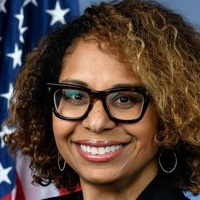
Sydney Kamlager-Dove
Representative
CA-37
The One Stop Shop Community Reentry Program Act of 2026 establishes federal grant programs to fund community reentry centers and statewide assistance hotlines. These initiatives aim to provide comprehensive, trauma-informed services to individuals post-conviction or incarceration to reduce recidivism. The Act prioritizes hiring formerly incarcerated individuals and mandates rigorous evaluation and reporting on program outcomes.
New 'One Stop Shop' Bill Funds Reentry Centers & 24/7 Hotlines for Formerly Incarcerated Individuals
Ever felt like you needed a roadmap to navigate something totally new and complicated? Imagine trying to rebuild your entire life after being incarcerated. That’s exactly what the new One Stop Shop Community Reentry Program Act of 2026 aims to address. This bill isn't just talk; it sets up two major grant programs designed to help people successfully transition back into their communities.
Your New Community Navigators
First up, the bill authorizes the Attorney General to dish out grants to community-based non-profits. These funds are for creating what are called community reentry centers. Think of these as a centralized hub, a real-life 'one-stop shop' where individuals coming out of incarceration can get a whole suite of services. We're talking everything from resume building and job placement assistance to finding stable housing, getting IDs, and even connecting with mental health or substance use disorder treatment. These centers aren't just popping up willy-nilly; applicants need a solid plan, including surveying community needs and identifying specific institutions (like prisons or jails) where individuals are being released from. The goal is to make sure services are tailored and accessible, even providing transportation where needed. The bill is authorizing a cool $10,000,000 per year from fiscal years 2027 through 2031 for this program, with a mandate to ensure equitable distribution across urban, rural, and even Tribal populations.
Help is Just a Call Away
On top of the physical centers, the bill also greenlights grants for states, Indian Tribes, and local governments to set up toll-free reentry services assistance hotlines. These aren't your average 9-to-5 operations; we're talking 24 hours a day, 7 days a week support. Imagine needing urgent advice on where to go for housing or a job lead, and being able to call someone who actually knows the ropes. These hotlines, funded with $1,500,000 annually from 2027 to 2031, must be staffed by trained operators who are clued into federal, state, Tribal, and local services. They also need to be accessible to those with limited English proficiency or disabilities, and even have text messaging capabilities. Plus, any personal info shared is kept strictly confidential—a crucial detail for trust.
Real-World Impact and Accountability
One of the coolest parts of this legislation? Both programs give a clear preference to applicants who plan to hire individuals who have themselves been convicted of an offense or served a prison term. This means people with lived experience could be the ones providing guidance and support, which is a game-changer for authenticity and understanding. The bill also has some serious teeth when it comes to accountability. The Attorney General is required to contract with a non-profit to monitor and evaluate every grant recipient. They'll be reporting to Congress annually on everything from the number of people served and their success rates (think job placement, housing, education) to recidivism rates and the number of formerly incarcerated individuals employed by the centers. This isn't just about throwing money at a problem; it's about making sure these programs actually work and deliver tangible results for individuals and communities alike.