This bill raises the minimum age for federal juvenile prosecution, limits murder liability for those under 18, mandates data collection on incarcerated youth, and funds state collaboration between child welfare and juvenile justice systems.
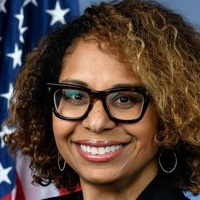
Sydney Kamlager-Dove
Representative
CA-37
The Directly Impacted Child Rehab and Safety Act amends federal juvenile justice laws to raise the minimum age for prosecution as an adult and limits murder convictions for those under 18 to intentional killings. The bill also mandates comprehensive federal data collection on incarcerated youth and authorizes grants to improve collaboration between state child welfare and juvenile justice systems. These measures aim to prioritize rehabilitation and better address the needs of children in the justice system.
New Bill Raises Federal Juvenile Prosecution Age to 16, Mandates Trauma Consideration, and Boosts State Collaboration
Alright, let's talk about the 'Directly Impacted Child Rehab and Safety Act.' This bill is looking to shake up how the federal system handles kids, specifically those under 18 who get into trouble. Think of it as a significant shift towards understanding that kids aren't just mini-adults in the eyes of the law.
Raising the Bar for Adult Charges
First up, this bill is saying, 'Hold on a minute' when it comes to prosecuting kids as adults. Right now, a 15-year-old can be sent to adult federal court. This bill bumps that minimum age up to 16 years old. That means if you're 15 and get into a situation that might land you in federal court, you'll stay in the juvenile system, which is generally more focused on rehabilitation. It also scraps the old rule that could automatically send a 13-year-old to adult court for certain violent or firearm offenses, and removes the requirement that 16-year-olds with prior felonies must be transferred. This is a pretty big deal for younger teens, keeping them out of a system not designed for their development.
Intent Matters for Murder Charges
Here’s another key change: for anyone under 18, getting convicted of murder in federal court is about to get a lot tougher for prosecutors. The bill adds a new subsection to federal murder law (18 U.S.C. § 1111) stating that a minor can only be convicted of murder if they intentionally or knowingly caused the death, or if they acted with the intent to kill and actively helped someone else commit the killing. If that specific intent isn't proven, they can't be convicted of murder, but only for whatever lesser crime they actually committed. This is huge because it recognizes that a young person might be involved in a crime without fully intending for someone to die, and their legal consequences should reflect that nuance, not just the outcome.
Trauma-Informed Decisions for Kids
When a court is deciding whether to transfer a juvenile to adult court, the bill adds some crucial factors to consider. Judges will now have to look at the kid's prior exposure to adverse childhood experiences, childhood trauma, and involvement in the child welfare system. They'll also weigh the juvenile's potential for rehabilitation within the juvenile system and what's in the best interest of the child. This means the system is being asked to actually understand the kid's background, not just the crime. For a kid who’s been through the wringer, this could mean the difference between getting help in a juvenile facility and facing a harsh adult sentence.
Keeping Kids Separate and Safe
Another practical change: the bill tightens up rules on where juveniles can be held. Currently, they can't be in facilities where they have regular contact with adult offenders. This bill broadens that, saying they can't be placed in any correctional institution or prison. This is a common-sense move to protect young people from the influences and dangers of adult correctional environments, ensuring they're housed in places more suitable for their age and needs.
Shedding Light with Data
Ever wonder how many kids are actually caught up in the federal justice system? This bill says we're about to get a much clearer picture. It requires the Bureau of Justice Statistics to publish a comprehensive annual statistical review of children under 18 in the federal system. This isn't just basic numbers; it's going to include everything from their offenses and ages to detailed demographic info like race, ethnicity, gender identity, and disability. It'll even track how far from home kids are being held and the length of their sentences. For those of us who believe in data-driven policy, this is gold. It means we’ll finally have the facts to see who's being impacted and how, helping to identify disparities and inform future reforms.
Teaming Up for Vulnerable Youth
Finally, this bill is pushing states to work together better when it comes to kids who are often falling through the cracks. It authorizes the Secretary of Health and Human Services to award competitive grants to states that can show they’re improving collaboration between their child welfare and juvenile justice systems. This is aimed at kids who are excluded from juvenile court due to age, child survivors of commercial sexual exploitation, and especially “dual status youth”—kids who are involved in both the child welfare and juvenile justice systems. States applying for these grants will need to create a “leadership collaboration group” and lay out a plan for identifying these kids, assessing their needs, and providing evidence-based services. It's all about making sure these highly vulnerable young people get the support they need, rather than getting bounced between agencies. The goal is to improve outcomes like educational attainment, reduce delinquency, and shorten stays in restrictive placements. This is a smart way to get different state agencies, often working in silos, to actually talk to each other and coordinate care for kids who desperately need it.