This Act delegates federal management of oil, gas, and fisheries from 3 miles to 3 marine leagues offshore to Louisiana, Mississippi, and Alabama, provided they meet certain conditions.
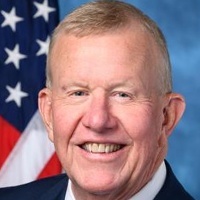
Mike Ezell
Representative
MS-4
The Offshore Parity Act of 2026 aims to grant Louisiana, Mississippi, and Alabama expanded management authority over submerged lands extending out to three marine leagues from their coastlines. This delegation covers oil, gas, and other energy activities, allowing the states to manage new leases if they meet specific criteria within five years. Additionally, the Act extends state jurisdiction for fisheries management within these expanded waters, while preserving federal control over certain species and national security matters.
Gulf States Eye Expanded Offshore Control: New Bill Shifts Energy & Fishing Management to Louisiana, Mississippi, Alabama
Alright, let's talk about the Offshore Parity Act of 2026. This bill is looking to hand over a pretty big chunk of offshore management from the feds to Louisiana, Mississippi, and Alabama. We're talking about the waters from three miles out to roughly 10.4 miles offshore. If this passes, these three states could soon be calling the shots on oil, gas, and other energy activities, plus how fisheries are managed in those areas. It’s a significant shift that could change a lot for folks in the Gulf region, from energy workers to local fishing communities.
The Big Hand-Off: What's Changing?
So, what's actually happening here? Essentially, the bill amends existing federal laws—the Outer Continental Shelf Lands Act and the Magnuson-Stevens Fishery Conservation and Management Act—to let these states step into Uncle Sam's shoes. Within five years of this bill becoming law, Louisiana, Mississippi, and Alabama can apply to the Secretary of the Interior. If they can show they've got the resources and a solid plan to manage things properly, the feds have to hand over the reins for granting and overseeing leases for oil, gas, and other energy stuff in that expanded zone. This means a state could, for example, issue new drilling permits and manage existing ones, rather than the federal government. On the fishing side, their jurisdiction for fisheries management would also stretch out to that 10.4-mile mark, giving them more say in local fishing regulations.
Who Benefits & Who Bears the Brunt?
For the states involved, this could be a big win. They'd get more control over their natural resources and could collect revenue from any new leases they grant. This means potentially more money flowing into state coffers, which could fund local projects or services. For energy companies, state-level management might mean a more streamlined process, potentially with different rules than the federal ones. Imagine a small energy contractor in Mississippi finding it easier to navigate state regulations than a complex federal bureaucracy.
However, there are some pretty significant trade-offs. The bill says federal minimum bid and royalty requirements won't apply to these new state-granted leases, and certain federal revenue-sharing provisions also get tossed out. More critically, federal citizen lawsuit provisions, which allow individuals and groups to sue over environmental or regulatory issues, won't apply to these state-managed leases either. This is a big one because it removes a key way for the public, including environmental groups, to hold operations accountable. If you're a shrimper in Louisiana concerned about a new drilling operation, your avenues for legal recourse might shrink considerably. The federal government also retains control over highly migratory species like tuna, endangered species, and international fishery agreements, so it's not a complete free-for-all.
The Fine Print: What Could Go Sideways?
One of the trickier bits is how the Secretary of the Interior decides if a state is 'likely to provide adequate resources' and will 'effectively and faithfully administer federal rules and regulations.' These phrases are pretty broad, and without clear benchmarks, there's room for interpretation. Could a state get the green light even if its environmental protections aren't as robust as federal ones? That's a real concern, especially when you consider the potential for increased environmental risks if regulations are loosened. For example, a state might approve a project that the EPA would have scrutinized more heavily, potentially impacting coastal communities or marine ecosystems.
Also, while the states would have to indemnify the U.S. for any liabilities from managing these leases, there's a catch. The Secretary can just deduct any final judgment against the state from other federal payments. This could put states in a tough financial spot if a major accident or lawsuit hits. It's like your friend borrowing your car and promising to cover any damage, but if they crash it, you're the one who has to pay the garage directly out of their rent money. It works, but it's not ideal for anyone involved. Ultimately, this bill is about shifting power and responsibility, and with that shift comes new opportunities and new risks for everyone living and working along the Gulf Coast.