This act allows states to request the redesignation of an ozone nonattainment area to attainment if pollution originating outside the state is proven to be the cause of the failure to meet federal standards.
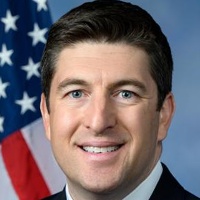
Bryan Steil
Representative
WI-1
The Fair Air Standards Act allows states to request that an area currently failing to meet federal ozone standards be redesignated as compliant. This redesignation is possible if the state can prove that the failure to meet the standard was caused by pollution originating from outside the state or a foreign country. The EPA Administrator must review the state's evidence and officially redesignate the area if the claim is substantiated.
EPA Bill Could Let States Blame Neighbors for Dirty Air, Redesignate Ozone Areas
Alright, let's talk about air quality, because who doesn't love clean air, right? This new bill, the “Fair Air Standards Act,” is looking to shake things up a bit when it comes to how we classify areas that aren't meeting federal ozone standards. Basically, it’s giving states a new way to get out from under the ‘dirty air’ label, but there’s a catch: they have to point the finger at their neighbors.
The Blame Game: Out-of-State Pollution
So, what's the big deal here? Well, currently, if your state has an area that’s not meeting federal ozone standards, it’s classified as a “nonattainment area.” That comes with a lot of regulatory headaches and requirements to clean things up. This bill, found in Section 2, says that if a state governor can prove that their area's air quality issues are actually caused by pollution blowing in from another state or even a foreign country, they can ask the Environmental Protection Agency (EPA) to redesignate that area as meeting the standards. Think of it like this: if you’re trying to keep your house clean, but your next-door neighbor keeps throwing their trash over the fence, this bill lets you tell the HOA, “Hey, it’s not me, it’s them!”
The EPA's Role: Judge and Jury
Once a governor submits this evidence, the EPA Administrator has a tight 180-day window to either agree or disagree. If they agree, boom, that area gets a clean bill of health, at least on paper. Both the state and the EPA have to use modeling and monitoring data to figure out where the pollution is really coming from. This sounds fair, right? If you’re doing your part, why should you be penalized for someone else’s mess? For a small business owner, this could mean avoiding new, costly regulations if their area is redesignated. For folks living in these areas, it could mean less pressure on local industries, which might be a good thing for jobs.
Who Carries the Can?
Here’s where it gets a bit tricky. While this bill could be a lifeline for states genuinely impacted by external pollution, it also opens the door for some serious finger-pointing. If your state is successfully arguing that its dirty air is someone else's fault, that means another state or country is being identified as the source. This could create tension and disputes between states, as no one wants to be labeled the polluter. For residents in areas that get redesignated, there's a potential downside: if local pollution sources aren't really cleaned up, and the redesignation is just based on external factors, the air quality might not actually improve, even if the regulatory status changes. It’s like putting a fresh coat of paint on a leaky roof—it looks good, but the underlying problem is still there. The bill's language around “ozone-causing pollution” in Section 2 is also a bit broad, which could lead to some creative interpretations about what exactly counts as external pollution.
Ultimately, this bill is trying to create a fairer system for states dealing with air pollution that crosses borders. But like any new rule, it’s going to have winners and losers, and it’s definitely going to require some careful watch to make sure it’s used to genuinely improve air quality, not just to shift blame.