This act prohibits naming any federal property after Donald J. Trump and mandates the removal of any existing federal naming honors.
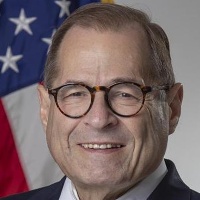
Jerrold Nadler
Representative
NY-12
The PROTECT Act prohibits naming any federal building, land, or asset after Donald J. Trump and bans the use of federal funds for such designations. Furthermore, any federal property currently named after him must revert to its original, legally established name.
PROTECT Act: No Federal Buildings Named After Donald Trump, Existing Names to Revert
Alright, let's talk about something that just landed on the desk: the “Prohibiting Repressive Officials from Titular Engravings, Commemorations, and Tributes Act,” or the PROTECT Act for short. This bill is pretty straightforward, but its implications are anything but simple.
The Naming Game
At its core, the PROTECT Act, laid out in Section 2, states that no federal building, land, or any other federal asset can be named after Donald J. Trump. Period. Not only that, but it also explicitly forbids using any federal money to do such a naming, renaming, designation, or redesignation. So, if you were hoping for a 'Donald J. Trump Post Office' or a 'Trump National Park,' this bill slams the door shut on that idea.
Back to the Original
Here’s where it gets even more interesting: if there’s already a federal building, piece of land, or other asset currently named after Donald J. Trump, this bill mandates that it must revert to its original name. Think about it like this: if a local park was renamed 'Trump Memorial Park' under federal purview, this bill would require it to go back to whatever it was called before. This isn't just about preventing future namings; it's about undoing any that might have already happened. For folks managing federal properties, this means a potential administrative shuffle, changing signs, and updating records, which, while not a massive cost, is still a use of resources.
What It Means on the Ground
For most of us, this bill might seem a bit niche, but it highlights a bigger conversation about how we use public spaces and federal assets to honor individuals. If you’re a federal employee working in a building that might have been named after the former president, this means a name change is coming your way. For taxpayers, it’s about where our money isn't going—specifically, not towards commemorative namings for this particular individual. While it prevents future federal funds from being spent on new Trump-related namings, the process of reverting existing names could still involve some administrative costs for federal agencies, even if those aren't explicitly detailed as 'naming' costs.
This legislation is highly specific in its target, which means it’s less about a broad policy on federal naming conventions and more about a particular individual. It’s a clear signal about how some legislators view the commemoration of certain political figures, and it definitely sets a unique precedent. It’s the kind of bill that might make you chuckle over coffee, but it also sparks a thought: what does it say about our political landscape when we’re legislating who can and can’t have federal assets named after them?