The HELP Act of 2026 establishes a program to strengthen nationwide access to and coordination of 211 health and human services referral systems through federal funding and administrative oversight.
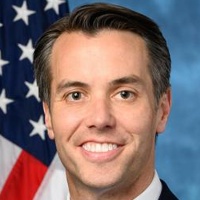
Morgan McGarvey
Representative
KY-3
The HELP Act of 2026 establishes a program within HHS to strengthen nationwide access to 211 services for health and human services information and referrals. This initiative aims to increase 211 capacity, improve coordination with 911 and 988 crisis lines, and raise public awareness. The Act authorizes $250 million annually through 2032 to provide grants to local 211 providers to expand and improve service accessibility across all states.
New HELP Act Boosts 211 Services with $250M Annually: Connects You to Health & Human Services
Ever felt like you needed help finding local resources—whether it’s food assistance, housing support, or mental health services—but didn’t know where to start? The new Human-Services Emergency Logistics Program Act of 2026, or the HELP Act, aims to make that search a whole lot easier by supercharging our national 211 service system.
This bill sets up a new program within the Department of Health and Human Services (HHS) to strengthen, expand, and coordinate 211 services across the entire country. Think of 211 as a non-emergency hotline for life’s challenges, similar to how 911 handles emergencies and 988 handles mental health crises. The big goals here are to make 211 services directly accessible to everyone in every state, improve how they coordinate with 911 and 988, and make sure more people actually know about and use them. We’re talking about $250 million authorized each year from 2026 through 2032 to make this happen, which is a serious investment.
Making 211 Your Go-To Resource
So, what does this mean for you? If you’re a parent looking for childcare, a veteran needing housing support, or someone dealing with food insecurity, 211 is designed to connect you to those resources. The HELP Act wants to ensure that no matter where you live, you can call or text 211 and get information and referrals for a wide range of health and human services—from homelessness and housing to workforce development and mental health support. This isn’t just about having the number; it’s about making sure the service is robust, well-staffed, and up-to-date with local offerings. For instance, a small business owner in a rural area might finally have a reliable way to find support services for their employees, or a construction worker needing help after a natural disaster could quickly locate recovery resources.
Who's Running the Show?
HHS will pick one non-profit "administering agency" to manage this whole operation. This agency will be responsible for dishing out grants to local 211 service entities in each state. How much each state gets isn't just a random number; it’s based on a formula that considers things like population, population density, and poverty rate, ensuring that states with greater needs get more support. The administering agency also has to make sure all activities and information are accessible under the Americans with Disabilities Act, which is a crucial detail for ensuring everyone can benefit.
Where Does the Money Go?
These grants aren't for just anything. The bill specifies that funds must be used for things like operating 211 contact centers (voice, text, internet), running public awareness campaigns (so you actually know 211 exists!), coordinating services, upgrading software and hardware, and covering administrative costs like staffing and training. Essentially, it’s all about building a stronger, smarter, and more visible 211 network. For example, a local 211 center could use these funds to implement new text messaging capabilities, making it easier for someone on a busy job site to discreetly ask for help.
The Catch: Matching Funds
There's a catch, though: any qualified 211 service entity receiving a grant has to provide matching funds from non-Federal sources, equal to at least 25% of the grant amount. This could be cash or in-kind contributions. While this ensures local buy-in and shared responsibility, it could be a hurdle for smaller, less-resourced organizations, potentially impacting their ability to access these federal dollars. It’s a common mechanism in federal grants, but it means local organizations need to hustle a bit to secure their piece of the pie.
Keeping Things Coordinated
One of the coolest parts of this bill is its focus on better coordination between 211, 911, and 988. Imagine a situation where someone calls 911 for a non-emergency issue that’s really a social service need. Instead of tying up emergency lines, the system could seamlessly redirect them to 211. This could free up 911 operators for true emergencies and get people the right kind of help faster. The administering agency is specifically tasked with increasing this coordination, even supporting shared data platforms to make it all work smoothly.
Overall, the HELP Act of 2026 looks like a solid step towards making essential health and human services more accessible and coordinated for everyday Americans. It’s about building a stronger safety net, one phone call or text at a time.