This Act establishes federal financial assistance, including loan repayment, to incentivize veterinarians to practice in rural and underserved areas while also expanding grant opportunities for veterinary services at 1890 Institutions.
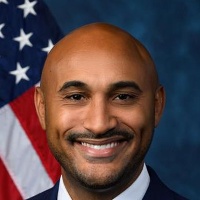
Shomari Figures
Representative
AL-2
The Veterinary Education Equity Act aims to address veterinarian shortages in rural and underserved areas by establishing a federal student loan repayment program for practitioners who commit to serving in designated shortage areas for three years. The bill authorizes $50 million annually to fund this assistance, capping individual repayment at $75,000. Additionally, it amends existing law to prioritize grant funding for veterinary service projects at 1890 Institutions.
New Vet Bill Offers $75K Loan Repayment to Tackle Rural Shortages, Boost 1890 Institutions
Ever tried to find a vet in a small town? It can be tough, and this new piece of legislation, the Veterinary Education Equity Act, is looking to fix that. Essentially, it's setting up a federal program to get more vets into the places that desperately need them: rural and underserved areas.
The Loan Lifeline for Vets
Here’s the deal: if you’re a licensed vet with a degree from an accredited institution, you could get up to $25,000 per year — topping out at $75,000 total — of your student loans repaid. The catch? You've got to commit to working full-time for at least three years in a designated shortage area. This isn't just for pet clinics; it covers clinical practice, public health, or food safety roles. Think about a vet working with livestock in a farming community or ensuring food safety standards in a region with limited access to such expertise. This program, outlined in Section 1 of the Act, aims to make that career path a lot more financially viable for new grads drowning in debt.
Where Will These Vets Go?
So, what counts as a “shortage area”? The Secretary of Agriculture will be drawing up a list within 180 days of the law kicking in. We're talking rural communities with fewer than 10,000 folks, places where there aren't enough vets for the animal population, or regions where getting vet care is just plain difficult due to geography or economic barriers. When deciding who gets this sweet loan repayment deal, the bill says priority goes to those who grew up in or live in a shortage area, vets looking to work with food animals or in public health, and those with the highest financial need. It’s all about getting the right vets to the right places, as detailed in Section 1.
Boosting Historically Black Colleges
Beyond the loan repayment, Section 2 of this Act also gives a nod to 1890 Institutions — these are historically Black land-grant colleges and universities. It amends an existing veterinary services grant program to specifically include these institutions as eligible recipients and, even cooler, gives their projects higher priority when grants are being awarded. This move could funnel more resources into these institutions, helping them expand their veterinary programs and research, which is a win for diversity and access in the field.
The Fine Print: What If You Don't Finish?
Now, about that three-year commitment: if you sign up and don't complete your service, you're on the hook to repay all the money you received, plus interest, at the same rate as federal student loans. Ouch. However, there are some compassionate outs for extreme hardship, disability, or death. It’s a serious commitment, but one that could significantly lighten the load for vets willing to serve where they're needed most. This kind of provision, outlined in Section 1, is pretty standard for service-based loan repayment programs, making sure the investment pays off in service.