This bill establishes grant programs to fund data-driven suicide prevention outreach for the general public and the development of AI-powered predictive models for veteran suicide risk assessment.
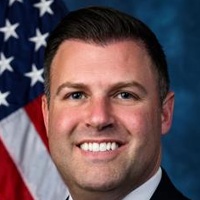
Ryan Mackenzie
Representative
PA-7
This act establishes grant programs to enhance suicide prevention efforts using data and technology. It directs HHS to fund agencies using data analysis for targeted outreach to at-risk individuals across the general population. Additionally, the VA must create a grant program for organizations to develop AI-driven predictive models to identify suicide risk factors among veterans.
New Bill Funds Data-Driven Suicide Prevention, VA to Use AI for Veteran Risk Models by 2027
Alright, let's talk about something really important: mental health and suicide prevention. This new piece of legislation, the Data Driven Suicide Prevention and Outreach Act of 2026, is looking to tackle this head-on by throwing some serious tech and data at the problem. It's basically setting up two big grant programs. One is for your state and local health agencies to use data to identify folks at risk of suicide and then reach out to them. The other is specifically for our veterans, using artificial intelligence to get ahead of suicide risks.
Putting Data to Work for Public Health
First up, the Department of Health and Human Services (HHS) is getting the green light to hand out grants to state, local, and tribal public health agencies. The big idea here is to use existing data—think crisis hotline calls, emergency room visits, and other relevant info—to spot individuals who might be at a higher risk of suicide. Once identified, the plan is to actually reach out to these folks, maybe send them information about available mental health services, and generally try to connect them with support. It's about being proactive, not just reactive. Grant recipients will need to show how they'll protect privacy, what outreach methods they'll use, and how they'll measure if any of this is actually working. We're talking about a potential $25 million per year from 2027 through 2031 to make this happen, which is a pretty significant chunk of change.
AI to Support Our Veterans
Then there's the Department of Veterans Affairs (VA) program, which is specifically designed to help veterans. Within a year of this bill becoming law, the VA will launch a grant program for organizations to use artificial intelligence (AI) to build predictive models. These models are meant to evaluate risk factors for suicide among veterans by combining data from different VA sources, like military service records from the Veterans Benefits Administration and clinical data from the Veterans Health Administration. Imagine an AI system sifting through tons of information to flag veterans who might be struggling, allowing the VA to step in earlier. The VA will pick at least two organizations for these grants, prioritizing those in areas with high veteran suicide rates, long mental health care wait times, or high call volumes to the Veterans Crisis Line. It's a smart move to leverage advanced tech for a population that often faces unique challenges.
The Fine Print: Privacy and Ownership
Now, for those of us who squint at the fine print, there are a couple of things to note. Both programs are big on data privacy and confidentiality, which is crucial when you're talking about sensitive health information. Grant applicants have to detail exactly how they'll protect individual privacy, which is a good thing. However, for the VA program, there's a specific rule that says the grant recipient doesn't have to transfer ownership of their fancy new AI predictive model or any related proprietary tech to the VA. On one hand, this might encourage top-tier tech companies to participate, knowing they keep their intellectual property. On the other hand, it means the VA might not have full control or the ability to freely adapt and share these potentially life-saving tools across its entire system without further arrangements. It's a balance between innovation and widespread implementation. Also, while the bill sets out reporting requirements for grant recipients, the nitty-gritty on how the government will oversee the effectiveness and ethical use of all this data and AI isn't super detailed. It leaves a bit to the imagination regarding how robust the checks and balances will be.
This bill is a clear attempt to use modern tools to tackle a tragic problem. If it works as intended, it could mean more targeted support for people in crisis and a better understanding of how to prevent suicide. It’s a big step towards a more proactive approach to mental health, especially for our veterans, who deserve every resource we can offer.