This act establishes federal grant and low-interest loan programs to expand and improve child care facilities in underserved rural communities.
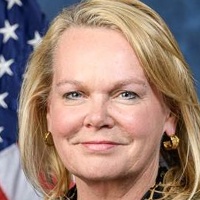
April McClain Delaney
Representative
MD-6
The Rural Child Care Facility Expansion Act establishes a new federal grant program to help expand child care facilities in rural communities through construction, renovation, and equipment purchases. It also creates a low-interest loan program, administered by the USDA, to help existing rural providers renovate or expand their structures, particularly in designated "child care deserts." The goal of both provisions is to significantly increase the availability of licensed child care slots across rural America.
New Bill Boosts Rural Child Care: Grants & Low-Interest Loans to Expand Facilities
Ever felt like finding decent child care in a small town is like looking for a unicorn? You’re not alone. The Rural Child Care Facility Expansion Act is stepping in to tackle this head-on, aiming to bring more child care options to rural communities. This isn't just talk; it sets up two big programs to make it happen, focusing on getting more facilities built or upgraded where they're needed most.
Building Blocks for Better Care
First up, the bill creates a new grant program through the Department of Health and Human Services. Think of it as a financial shot in the arm for communities struggling with child care. Eligible folks—like state child care agencies, local governments, tribal organizations, and nonprofits with experience in this area—can apply for competitive grants. These funds aren't just for a fresh coat of paint; they can cover everything from constructing brand-new facilities to renovating existing ones, buying essential equipment, and even handling the nitty-gritty of licensing and safety compliance. The idea is to directly increase the number of available child care slots, and applicants will need to show a clear plan for how they'll keep the facility running for at least five years after completion. Oh, and there's a catch: recipients need to chip in a 25% matching contribution, which can come from federal or non-federal sources, just not from this same grant program.
Lending a Hand to Providers
Then there's the second big piece: a low-interest loan program run by the Department of Agriculture. Starting one year after the bill becomes law, this program offers a lifeline to covered child care providers in rural areas, especially those in what the bill calls child care deserts. A child care desert is pretty stark: either there are no licensed providers at all, or the number of kids living there is at least three times the capacity of local licensed providers. These loans are designed to help providers renovate, retrofit, expand, or adapt buildings to boost their child care capacity. We're talking about interest rates that are super competitive—the Treasury constant maturity rate plus a tiny 0.18%. This means a small business owner looking to expand their daycare or a community group wanting to convert an old building into a pre-K center could get the capital they need without breaking the bank. The bill specifies that loan funds can be used for these facility improvements, with a small portion (up to 10%) allowed for pre-development activities like planning and design.
What This Means for Your Town
If you live in a rural area, this bill could be a game-changer. More child care facilities mean more options for parents, potentially shorter waitlists, and maybe even more affordable care. For parents juggling work schedules, this could mean less stress and more stability. For child care providers, it's a chance to expand their services, upgrade their facilities, and meet a critical community need, all with significant financial backing. The bill defines a rural community as any census-designated place with a population under 20,000, so it's really targeting those smaller towns that often get overlooked. Plus, the bill requires regular reports to Congress on things like the number of loans awarded, child care slots created (including for low-income families), and staff employed. This means there's a built-in mechanism to track whether these programs are actually delivering on their promise to make child care more accessible in rural America.