This bill restricts the law enforcement authority of federal agencies like the DEA and U.S. Marshals Service and limits the deployment of DHS law enforcement during protests without local executive request.
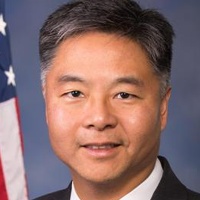
Ted Lieu
Representative
CA-36
The Prevent the Misuse of Federal Law Enforcement Act aims to restrict the scope of federal law enforcement authority across several agencies. This bill limits the Drug Enforcement Administration's duties primarily to drug-related matters and places new restrictions on the U.S. Marshals Service's ability to deputize state or local officers. Furthermore, it limits the Department of Homeland Security's ability to deploy additional law enforcement personnel during protests without local executive branch approval.
Federal Law Enforcement Powers Curtailed: New Bill Requires Local OK for DEA, Marshals, and DHS Operations
Alright, let's talk about the 'Prevent the Misuse of Federal Law Enforcement Act,' because this one's looking to shake up how federal agencies operate in your backyard. This bill is all about reining in some of the powers of the Drug Enforcement Administration (DEA), the U.S. Marshals Service, and the Department of Homeland Security (DHS), aiming to put more control back into local hands.
The DEA's New Beat: Just Drugs, Please
First up, the DEA. If this bill passes, their law enforcement duties would get a lot more focused. Right now, they can get involved in a broader range of investigations. But under this proposed law, their work would be limited to “duties that relate to, arise from, or supplement investigations involving drugs.” Think of it like this: if a DEA agent used to be able to lend a hand on a non-drug-related federal case, that's likely off the table. The Attorney General can still assign them duties, but those duties must connect back to drug matters. For someone running a small business, this might mean less federal presence in non-drug-related local crime, but it could also mean a clearer line for what the DEA is actually there to do.
Marshals and DHS: Local Consent is Key
Now, for the U.S. Marshals Service and the Department of Homeland Security. This is where things get really interesting, especially for local control. The Marshals Service, which often works with local law enforcement, would be prohibited from deputizing state, tribal, territorial, or District of Columbia officers unless the chief executive of that jurisdiction—think your mayor or governor—specifically asks for it. The same goes for deputizing other federal officers in those areas. So, if your local police department needs extra help from the Marshals, your local leader would have to sign off on it first.
Similarly, the DHS would face new restrictions when it comes to deploying personnel to areas where protest activity is happening. Currently, the Secretary of Homeland Security has some leeway to designate employees as law enforcement officers for these situations. But under this bill, they couldn't do that without a direct request from the chief executive of the affected state, tribe, territory, or D.C. This means that if you're participating in a protest, or just living in an area where one is happening, federal DHS presence would require local approval. There's one carve-out here: employees who came to DHS from the Federal Protective Service back in 2002 are exempt from this protest restriction, which is a detail worth noting.
What This Means for Your Daily Grind
So, what's the real-world impact here? For starters, it could mean more accountability for federal agencies to local governments. If your town's leadership isn't on board with federal agents operating in certain capacities, they'd have the power to say no. This could be a win for local autonomy, giving communities more say over who's enforcing laws within their borders. For example, a city council concerned about federal overreach during a local protest would now have a direct lever to pull.
However, it also raises questions about efficiency. What if a complex investigation needs federal resources, but a local executive is slow to respond or declines the request for political reasons? This could potentially slow down critical law enforcement efforts. For a construction worker whose job relies on smooth supply chains, delays in federal intervention against large-scale criminal operations could indirectly affect their livelihood. The bill aims to prevent misuse, but the balance between federal effectiveness and local control is a tricky one to strike. It's about making sure the feds aren't just showing up unannounced, but also ensuring that critical support isn't held up by red tape or local politics.