This act establishes a national system for mapping, designating, and funding the conservation of wildlife corridors on federal and nonfederal lands to ensure habitat connectivity for native species.
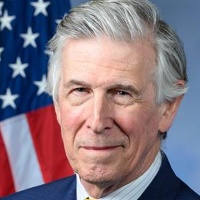
Donald Beyer
Representative
VA-8
The Wildlife Corridors and Habitat Connectivity Conservation Act of 2026 establishes a national system to map, protect, and restore critical pathways for wildlife movement across federal and nonfederal lands. It creates a scientific mapping program, designates formal wildlife corridors on federal property, and funds grants for habitat connectivity projects on private and state lands. The bill aims to reduce habitat fragmentation, improve species adaptation to climate change, and enhance public safety by mitigating wildlife-vehicle conflicts.
New Wildlife Corridor Bill Maps Pathways, Funds State & Private Land Projects Starting 2026
Alright, let's talk about something that might sound a little niche but actually hits close to home for anyone who drives, enjoys the outdoors, or just cares about our natural spaces. We're diving into the Wildlife Corridors and Habitat Connectivity Conservation Act of 2026. Think of this as the government trying to build a national highway system, but for deer, bears, and even tiny critters, so they can get where they need to go without becoming roadkill or getting stuck in a concrete jungle.
The Grand Plan: A 'Waze' for Wildlife
At its core, this bill is setting up a comprehensive system to identify, protect, and restore pathways that allow wildlife to move freely. We're talking about everything from grizzlies needing to find new hunting grounds to monarch butterflies migrating thousands of miles. The idea here, laid out in Title I, is to get the United States Geological Survey (USGS) to create detailed maps and use science to pinpoint where these crucial corridors are or need to be. No more guessing games; it’s all about data-driven decisions. This means that when a new road or housing development is being planned, we’ll have a clearer picture of how it might mess with nature’s pathways, which is a pretty smart move if you ask me. For folks in construction or land development, this means having clearer guidelines upfront, potentially saving headaches down the line.
Federal Lands First, Then Everyone Else Gets a Turn
Title II is where the rubber meets the road for federal lands. It establishes a formal "National Wildlife Corridors System" on federal property. This means national parks, forests, and other government-owned lands will have designated areas specifically managed to allow animals to roam. The bill even allows states, Tribes, and local groups to nominate federal lands for these corridors, giving local voices a direct say. Federal agencies will have to manage these corridors to keep them open and functional, and they’ll need to coordinate with transportation departments to build things like wildlife crossings—think overpasses and underpasses for animals. This is huge for reducing those heart-stopping moments when a deer jumps out in front of your car, potentially saving lives and insurance deductibles. And for hunters and anglers, don't sweat it: the bill explicitly states that state and tribal authority over hunting and fishing within these corridors is preserved.
Money Talks: Grants for the Rest of Us
Now, not all wildlife lives on federal land, right? Most of us know that animals cross state lines, private property, and tribal lands. That’s where Title III comes in with a new grant program. This is a big deal for private landowners, farmers, ranchers, and even local governments. If you've got land and want to help create or restore a wildlife pathway—maybe plant native vegetation, remove an old fence, or even help fund a crossing—this program could offer financial support. The Coordinating Committee will set the rules for these annual grants, ensuring the money goes to projects that genuinely improve connectivity. It's a voluntary program, so no one's forcing you to do anything with your land, but it's an opportunity to get some help if you're inclined to contribute to conservation.
Show Me the Money: Funding the Future
Of course, none of this happens for free. Title IV lays out the authorized funding. Starting in 2026, the bill earmarks $5 million annually for the Interior Department to keep those maps and scientific studies going. Then, it spreads a total of $60 million annually across five different federal agencies—Interior, Transportation, Agriculture, Commerce, and Defense—to manage these corridors on federal lands. On top of that, there's a hefty $75 million per year for that grant program on non-federal lands, with a good chunk of that specifically for big game migration. It’s important to remember that “authorized funding” means Congress can allocate this money, but they still have to actually do it each year. So, while the framework is there, the actual cash flow will depend on future appropriations.
What Does This Mean for You?
If you're a commuter, fewer wildlife-vehicle collisions could mean safer drives and lower repair bills. If you own land, especially in rural areas, you might have new opportunities to get funding for conservation efforts that also benefit your property. For anyone who enjoys hiking, fishing, or just seeing wildlife, this bill aims to ensure those experiences remain for generations to come. While some industries like logging or mining might see new restrictions on federal lands designated as corridors, the bill tries to balance conservation with existing land uses and explicitly protects private property rights from eminent domain. It’s a long-term play for a healthier, more connected environment, built on science and designed to bring different groups together.