This bill mandates a report on Russia's persecution of religious groups in occupied Ukraine and authorizes sanctions against responsible individuals and entities.
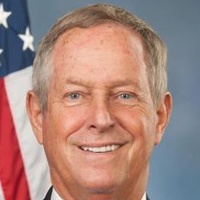
Joe Wilson
Representative
SC-2
This bill mandates a comprehensive report to Congress detailing Russia's systematic persecution of religious groups in occupied Ukrainian territories. It requires the administration to identify responsible individuals and entities involved in suppressing religious freedom, including the destruction of houses of worship. Following the report, the President must impose sanctions on those found responsible for this religious persecution.
New Act Targets Russia's Religious Persecution in Ukraine with Sanctions and Reports
Alright, let's talk about something that's been flying under the radar but has some serious human rights implications: the “Countering Russia’s War on Faith Act.” This bill is all about shining a spotlight on what Russia is allegedly doing to religious groups in the parts of Ukraine it occupies. Essentially, it’s pushing the U.S. government to get detailed about these actions and then hit the responsible parties with sanctions.
Unpacking the Persecution
So, what's this bill actually trying to counter? According to the findings laid out in Section 2, Congress believes Russia has been systematically cracking down on religious freedom in occupied Ukrainian territories. We're talking about things like detaining, torturing, and even making religious leaders disappear. The bill notes that over 600 religious sites—churches, synagogues, mosques—have been damaged, destroyed, or just plain taken over. It also highlights that over 50 Ukrainian religious leaders have been killed, with many others facing abduction or torture. This isn't just targeting one group; it's affecting Protestants, Catholics, Muslims, Jews, and various Orthodox Christian communities not aligned with Moscow. It paints a picture of a broad effort to suppress any religious expression that doesn't fit Russia's narrative, often to boost the Moscow Patriarchate's influence.
The Reporting Mandate: What Uncle Sam Will Be Looking For
Here’s where the rubber meets the road. Section 3 of the bill mandates that the Secretaries of State and Defense, along with the Director of National Intelligence, put together a detailed report for Congress. This isn't a one-and-done deal; it’s required within 120 days of the bill becoming law and then annually for three years. These reports need to spell out exactly what Russia is doing to persecute religious minorities in occupied Ukraine. Think about it: they'll be documenting specific acts of suppression, identifying destroyed or seized religious buildings, and assessing how many people have been imprisoned or displaced because of their faith. For instance, if you’re a pastor in an occupied town, this report would aim to capture if your church was forced to re-register under Russian law or if your religious texts were confiscated.
Sanctions on the Horizon
But it doesn't stop at just reporting. Within 30 days of each report, the President has to certify to Congress whether there are “reasonable grounds” to believe that any individuals or entities listed in the report are indeed responsible for this persecution. If the President gives that affirmative nod, then those foreign persons are getting hit with sanctions under existing federal regulations, including those tied to the Global Magnitsky Human Rights Accountability Act. This means real-world consequences for those identified, like potential travel bans or asset freezes. It’s a direct move to hold individuals and organizations accountable for human rights abuses, aiming to make it costly for them to continue these actions. If, down the line, someone cleans up their act, the President can waive or terminate those sanctions, which offers a bit of an off-ramp.
The Bigger Picture
For regular folks, this bill might not directly change your daily commute or your grocery bill. However, it's a significant step in how the U.S. addresses international human rights. For anyone concerned about religious freedom globally, this bill provides a structured, ongoing mechanism to monitor and respond to abuses. It's a clear signal that the U.S. government is paying attention to these specific actions in Ukraine and is willing to use its diplomatic and economic tools to push back. It aims to put pressure on those in power who might think they can act with impunity, making it a bit tougher for them to operate on the global stage. It’s about leveraging policy to stand up for fundamental rights, even in far-off conflicts.