This bill expands eligibility for the Vaccines for Children program, mandates minimum payment rates for vaccine administration under Medicaid and CHIP, and increases the federal matching rate for states that conduct targeted vaccination outreach.
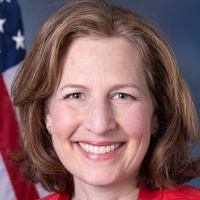
Kim Schrier
Representative
WA-8
The Strengthening the Vaccines for Children Program Act of 2026 aims to expand access to childhood immunizations by broadening eligibility for the VFC program and setting minimum payment rates for vaccine administration under Medicaid and CHIP. The bill mandates that Medicaid and CHIP programs pay providers at least 100% of the Medicare Part B rate for vaccine administration and counseling services through 2028. Additionally, it increases the federal Medicaid matching rate contingent upon states implementing culturally competent vaccination outreach efforts.
New Bill Boosts Kids' Vaccine Access, Sets Minimum Pay for Admin Services Through 2028
Alright, let's talk about the "Strengthening the Vaccines for Children Program Act of 2026." This bill is all about making sure more kids get their shots and that the folks giving those shots get paid fairly for it. Basically, it expands who qualifies for the Vaccines for Children (VFC) program, which provides free vaccines, and sets some new rules for how Medicaid and CHIP pay for vaccine administration and counseling. It also throws in a federal funding boost for states that really push vaccine awareness, and it aims to get better data into the hands of tribal health centers.
Expanding the Vaccine Net
First off, this bill is casting a wider net for who can get free vaccines through the VFC program. Right now, it covers certain kids, but this act adds two big groups: kids who get a pediatric vaccine but don't have insurance that covers it, and any child enrolled in CHIP. So, if your kid is on CHIP or you're navigating the healthcare maze without vaccine coverage, this means easier access to those crucial childhood immunizations. It's a pretty straightforward move to make sure more kids are protected, which ultimately helps everyone by boosting community immunity.
Fair Pay for the Jab and Chat
Ever wonder if your doctor gets properly compensated for the time they spend giving a shot and explaining everything? This bill tackles that directly. For Medicaid and CHIP, it mandates that providers get paid at least 100% of the Medicare Part B rate for vaccine administration and counseling services. This isn't just about the shot itself, but also the advice and information given. This minimum payment rate is locked in from the bill's enactment through December 31, 2028. This is a big deal for pediatricians and clinics, especially those serving a lot of Medicaid patients, as it helps ensure they can keep their doors open and continue offering these vital services without taking a financial hit. Managed care plans under Medicaid also have to follow these new payment rules, which means they can't skimp on what they pay providers for these services.
For the VFC program itself, the bill clarifies what providers can charge for administering and counseling. For federally vaccine-eligible kids, the fee can't exceed the actual costs of administration and counseling. If it's a multi-component vaccine, they can charge separately for each part, with the first component's fee covering costs and subsequent components not exceeding the Medicare Part B rate. This aims to strike a balance: ensuring providers are covered for their time and effort without overcharging families.
States Get a Boost for Outreach
Here’s a cool incentive: states can get an extra 1 percentage point increase in their federal Medicaid matching rate starting January 1, 2027. But there's a catch (a good one!): they have to really step up their game on culturally competent and effective vaccination outreach. We're talking messages that highlight how vaccines save lives, how they protect those who can't be vaccinated, the dangers of not vaccinating, and information on vaccine safety. So, if you live in a state that takes advantage of this, expect to see more targeted and informative campaigns about why vaccines matter. This isn't just about getting shots in arms; it's about building trust and understanding in communities.
Data for Better Health Decisions
The bill also opens up data access for Tribal Epidemiology Centers, allowing them to get crucial information on child and adolescent health from the CDC. This is a smart move for public health, as it empowers these centers to better understand and address health needs within tribal communities using solid data. Plus, the CDC will be publishing detailed reports on vaccination rates, broken down by region, age, sex, race, and ethnicity for fiscal years 2027 and 2028. This kind of transparency helps everyone see where we're doing well and where we need to focus more effort.
Within two years, the Comptroller General will also be reporting back to Congress on how this whole act has impacted vaccination rates and how many providers are participating in the pediatric vaccine distribution program. It's a built-in check to see if these changes are actually moving the needle.