This Act establishes a federal program through NOAA to fund climate change education for people of all ages in both formal and nonformal learning settings across the United States.
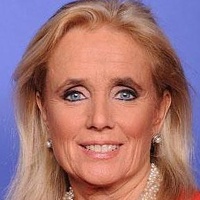
Debbie Dingell
Representative
MI-6
The Climate Change Education Act establishes a federal program, managed by NOAA, to fund climate change education for all ages through formal schooling and nonformal learning. This initiative aims to increase climate literacy, integrate solutions into education and career pathways, and ensure equitable access to climate-related knowledge. The Act authorizes significant funding to support grants for K-12, higher education, professional training, and youth corps organizations.
New Climate Education Act Funds K-12, Higher Ed, and Green Jobs Training with $50M Annually
Alright, let's talk about the Climate Change Education Act. This isn't just another dry piece of legislation; it's a federal program designed to get everyone, from elementary school kids to seasoned professionals, up to speed on climate change. Think of it as a nationwide crash course, but with actual funding and real-world impact.
The Big Picture: What's Changing?
At its core, this bill, once passed, creates a dedicated Climate Change Education Program within the National Oceanic and Atmospheric Administration (NOAA). The goal? To boost climate literacy across the U.S. and make sure folks understand not just what climate change is, but also its consequences, how it hits different communities, and what we can actually do about it. It's about taking the latest science and turning it into actionable knowledge for people of all ages and backgrounds. This isn't just for textbooks; it's about connecting climate science to new technologies, job opportunities, and career training in what they call the "green economy." (Section 4)
Where the Money Goes: Grants for Everyone from Grade School to Green Jobs
Within a year of becoming law, NOAA has to set up a grant program to dish out funds. And this isn't just a trickle; the bill authorizes a cool $50 million each year from 2027 through 2032 to make this happen. (Section 7) Here's the breakdown of who gets what:
- K-12 Education: A big chunk of change (50% if total funds exceed $5 million) is earmarked for state educational agencies (partnering with local agencies and nonprofits) and sometimes directly to local school districts. The aim is to help schools create climate literacy plans for grades 4 through 12. This means training teachers, integrating climate topics into subjects like STEM and civics, developing curricula, and even hands-on projects like improving school facilities to be greener. Plus, it's pushing to get climate mitigation and green tech into career and technical education, partnering with labor and trade organizations to prep students for high-demand climate jobs. (Section 5)
- Higher Education: Another 30% of the funds (when over $5 million) will go to colleges and universities. These grants are for faculty and students to dive into applied climate research and community service projects addressing local climate issues. The bill prioritizes projects that build long-term partnerships, can scale up, involve significant student input, and promote equitable outcomes. (Section 5)
- Professional Associations and Academic Societies: Ten percent of the funding is set aside to help these groups provide continuing education for working professionals in green economy fields. So, if you're in a trade or profession that's evolving with climate tech, this could mean more accessible training to keep your skills sharp. (Section 5)
- Youth Corps Organizations: The final 10% goes to youth corps groups for community-based climate work that also has a strong educational component. Think hands-on projects that teach young people about climate mitigation and adaptation while they're actually doing it. (Section 5)
A Focus on Fairness: Environmental Justice Communities
One crucial detail: 40% of the funds allocated for higher education grants and youth corps grants must be directed into what the bill defines as "environmental justice communities." These are typically communities with a significant number of people of color, low-income residents, or Tribal and indigenous populations that are already feeling the brunt of environmental and health harms. (Section 5) This means the program is specifically designed to get resources and education to those who often need it most, aiming for more equitable protection from climate change's harmful effects.
What This Means for You
If you're a parent, this bill could mean your kids get a more robust and practical education about climate change, preparing them for a future where green skills are increasingly valuable. If you're looking for a career change or want to upskill, the professional development grants could open doors to new opportunities in the green economy. For community leaders in areas disproportionately affected by environmental issues, this could bring much-needed resources for local climate solutions and education. It's about empowering people with knowledge and skills, directly connecting education to real-world challenges and job markets.
NOAA will also be reporting to Congress annually on the program's effectiveness, so there's a built-in mechanism to track how well these efforts are actually working. (Section 6)
This bill is essentially saying: understanding climate change isn't a niche topic anymore; it's fundamental for everyone, and we're putting federal dollars behind making sure that education is accessible and impactful. It's a pretty straightforward push to get everyone on the same page and equipped for the climate challenges and opportunities ahead.