This bill authorizes the transfer of specific property at Camp Williams State Military Reservation in Lehi, Utah, to the Utah National Guard.
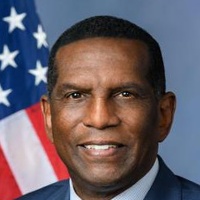
Clarence "Burgess" Owens
Representative
UT-4
This bill authorizes the Secretary of the Army to convey three specific parcels of land at Camp Williams State Military Reservation in Lehi, Utah, to the Utah National Guard. The transfer is conditional, requiring the State of Utah to cover all associated costs and stipulating that the land must be used for National Guard training and readiness activities. If the property use changes, the federal government retains the right to reclaim ownership.
Army to Transfer Camp Williams Land to Utah National Guard: State Covers All Costs
Alright, let's talk real estate, but with a military twist. This bill basically greenlights the Army to hand over three specific parcels of land at Camp Williams State Military Reservation in Lehi, Utah, directly to the Utah National Guard. Think of it as the federal government tidying up some property lines, but with some very clear rules of engagement.
The Handshake Deal
So, what's actually happening? The Secretary of the Army gets the go-ahead to transfer ownership of these three land parcels to the Utah National Guard. We're talking about sections in Township 4 South, Range 1 West, Salt Lake Base and Meridian. One piece is a strip varying from 75 to 100 feet wide, another is an irregularly shaped lot, and the third is a 200-foot-wide strip. The exact boundaries? Those will be locked down by a survey that the Secretary has to approve. It’s all about making sure everyone knows exactly who owns what, which can be a big deal for planning and operations.
Strings Attached: What the National Guard Needs to Know
Now, this isn't just a free-and-clear transfer. There are some important conditions. First off, any existing easements or restrictions on the property stay put. So, if there’s a utility line running through it or a specific historical preservation clause, that doesn't just disappear. More importantly, if the Utah National Guard ever stops using this land for its intended purpose—training and readiness activities—the Secretary of the Army can actually take the land back, along with any improvements made to it. They’d give the Guard a chance to explain their side in a hearing, but the power to reclaim is there. This is a common safeguard in these types of transfers, ensuring federal property continues to serve its original, designated public purpose.
Who's Footing the Bill?
Here’s a key detail for the state of Utah: they’re on the hook for all the costs associated with this transfer. We’re talking environmental reviews, real estate due diligence, and all the administrative fees. The bill explicitly states that the State of Utah cannot use federal funds to cover these expenses. If they pay upfront and the costs end up being less, the Secretary has to refund the difference. This ensures the federal government isn’t incurring new costs for a property transfer to a state entity, which makes sense from a fiscal perspective.
The Fine Print: Protecting Federal Interests
Finally, the Secretary of the Army can add other terms and conditions to the deal if they deem it necessary to protect U.S. interests. This is a fairly broad clause (Section 1), which means there could be additional, unspecified rules down the line. While it’s standard language to protect federal assets, it does leave a bit of wiggle room for future adjustments or requirements that the Utah National Guard would need to adhere to. For the Guard, this means they’ll need to stay on top of any new stipulations that might come with the land, ensuring their operations align with all federal requirements.