This bill establishes a federal grant program through the Treasury Department to fund community organizations providing financial coaching and to develop standardized credentialing for financial coaches.
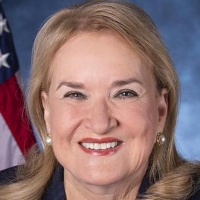
Sylvia Garcia
Representative
TX-29
The Improving Access to Financial Coaching Act of 2026 establishes a federal grant program through the Department of the Treasury to fund nonprofit and community organizations providing financial coaching. This legislation aims to increase access to high-quality financial guidance for low- and moderate-income consumers. The Act also mandates the development of standardized certification practices for financial coaches nationwide.
New Bill Pumps $100 Million into Financial Coaching, Aims to Standardize Services by 2028
Ever feel like managing your money is a second full-time job, especially with everything else going on? The 'Improving Access to Financial Coaching Act of 2026' is looking to lighten that load for a lot of folks. This bill sets up a federal grant program, run out of the Treasury Department, specifically to fund organizations that offer financial coaching services. We're talking about groups that help people, particularly those with lower and moderate incomes, get a better handle on their personal finances, chip away at debt, build up savings, and find responsible credit.
Coaching for Your Wallet
At its core, this legislation is about making quality financial guidance more accessible. The bill states that many households, especially those earning less than 120% of their area's median income, could really use a hand with money management. Think about a single parent juggling bills in a big city or a tradesperson in a rural area trying to save for a down payment. This bill aims to connect them with coaches who can help build financial stability and boost credit scores. The Treasury Department’s Office of Consumer Policy will be administering this program, which is set to launch within a year of the bill passing.
Who Gets the Green Light and the Green Bucks?
So, who can actually get these grants? The bill specifies that eligible organizations must be non-profits, community-based groups, community development financial institutions, or minority depository institutions that have been operating for at least a year. They need to be serving specific areas—like census tracts where the median family income is at or below 120% of the area's median, or rural areas, or places where at least half the population identifies as a racial or ethnic minority. For example, a local community center in a low-income neighborhood that’s been helping residents with budgeting for years could apply. If they serve non-English speakers, they’ll need to show they’re already connected with groups that can help with language services.
Putting the Money to Work
The bill authorizes a cool $100 million for fiscal years 2026 through 2028. This money isn't just sitting there; 55% of it is earmarked for the general operating costs of these coaching organizations. This means they can keep their lights on, pay their coaches, and expand their services. The other 45% is for subgrants and technical assistance, allowing larger, more established organizations to help smaller ones get off the ground or improve their programs. For instance, a well-resourced regional non-profit could use these funds to mentor a newer, smaller organization in a neighboring county, helping them set up their own coaching services.
Standardizing the Playbook
One of the big goals here is to bring some consistency to the financial coaching field. The bill tasks the Director of the Office of Consumer Policy with identifying and promoting “best practices” and working towards “standardized credentialing” for financial coaches and the agencies that employ them. This is a crucial step because, let's be real, you want to know the person giving you financial advice actually knows their stuff. This move could mean that whether you're getting advice in a big city or a small town, you're getting a similar level of quality and expertise. However, the exact criteria for these “best practices” and “standardized credentialing” aren't fully spelled out yet, which means how this plays out in practice will be something to watch. It’s important that these standards are broad enough to include effective approaches without being overly restrictive.
This bill seems like a solid step towards making financial literacy less of a luxury and more of a widely available tool. For anyone trying to navigate the complexities of modern finances, especially with rising costs and economic uncertainty, more access to trusted, high-quality guidance could be a real game-changer.