This bill requires the Center for Medicare and Medicaid Innovation to test a bundled payment model for providing comprehensive, accountable produce and nutrition services to eligible individuals with chronic diseases.
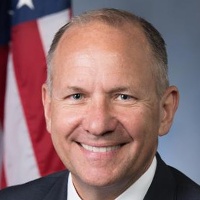
Lloyd Smucker
Representative
PA-11
The Accountable Produce is Medicine Act of 2026 requires the Center for Medicare and Medicaid Innovation to test a new bundled payment model for treating chronic diseases using food and related services. This model will fund selected programs that provide comprehensive "Accountable Produce is Medicine" services, including tailored nutrition, care coordination, and monitoring, to eligible high-risk individuals. The goal is to improve health outcomes and demonstrate cost savings within Medicare, Medicaid, and CHIP.
New 'Food is Medicine' Bill Launches Pilot Program for Chronic Disease Management
Alright, let's talk about something that could actually change how we think about healthcare, especially for those of us juggling chronic conditions. The Accountable Produce is Medicine Act of 2026 is looking to flip the script, suggesting that what's on your plate could be as important as what's in your pillbox.
Your Groceries, Your Health
So, what's the big idea? This bill basically says, "Hey, Congress sees that diet-related chronic diseases are costing us a fortune in healthcare." Think diabetes, heart disease, obesity—stuff that hits a lot of us or our families. The core belief here is that food is medicine. Not just any food, mind you, but specific, healthy interventions like medically tailored meals, produce prescriptions, and nutrition counseling. The bill pushes the Center for Medicare and Medicaid Innovation (CMMI) to test a new Accountable Produce is Medicine Bundled Payment Model to see if these interventions can actually improve health and cut down on medical bills.
How It Works: A Year of Support
If this model gets rolling, CMMI would pick at least five programs to run for at least two years, with the whole model running for a minimum of five. These programs would focus on providing fresh, frozen, or minimally processed fruits and veggies, along with other nutrient-dense foods like nuts and whole grains. They'd even prioritize produce grown locally or through "regenerative agriculture"—which is basically farming that's good for the soil and the environment. (SEC. 3)
Who's in? Folks enrolled in Medicare, Medicaid, or CHIP who live in underserved areas and have conditions like diabetes, obesity, or cardiovascular disease. If a doctor thinks you'd benefit and you're ready to commit, you could be eligible. For a whole year, these programs would hook you up with a personalized health plan, care coordination, telehealth check-ins, remote monitoring, and, crucially, nutrition counseling from a registered dietitian. The best part? No deductibles, copays, or other out-of-pocket costs for these services. (SEC. 3)
The Nitty-Gritty: Tracking Progress and Potential Catches
Now, it's not a free ride without accountability. These programs would have to track your engagement, adherence, and health metrics like weight, blood pressure, and blood glucose every quarter. If you're not sticking with it, they can disenroll you. The goal is to collect data to prove that this "food is medicine" approach actually saves money in the long run. (SEC. 3)
However, there are a few things to keep an eye on. The bill gives the Secretary a fair amount of wiggle room to define what counts as "another chronic condition" or "other appropriate areas" for eligibility. This could mean some folks miss out, or it could open the door for more people down the line, depending on how it's interpreted. Also, while the idea of programs taking on "financial risk" for performance in later years sounds good for accountability, we'll need to make sure that doesn't push programs to cut corners or cherry-pick participants. (SEC. 3)
Ultimately, this bill is a fascinating step toward integrating nutrition more directly into our healthcare system. For busy people juggling work, family, and health, getting a year of tailored nutrition and support without extra cost could be a game-changer. It's about empowering individuals with the tools to manage their health proactively, rather than just reacting to illness.