The FAITH Act establishes a federal crime prohibiting the imposition of fees or fines based on religious beliefs or membership, and enhances penalties for related offenses under RICO law.
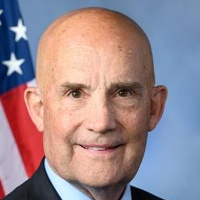
Keith Self
Representative
TX-3
The FAITH Act establishes a federal crime prohibiting the imposition of fees, fines, or financial obligations based on an individual's religious beliefs or membership. This legislation also makes it illegal to deny goods or services due to non-payment of such prohibited fees. Furthermore, violations of this act are added as predicate offenses under the federal RICO statute.
New FAITH Act Criminalizes Religious-Based Fees, Adds RICO Penalties
Alright, let's talk about something that could actually make a difference for a lot of folks: the Freedom Against Imposed Theology Harms Act, or as we’ll call it, the FAITH Act. This isn't some abstract concept; it's about protecting your wallet and your beliefs from some pretty specific pressures.
No More Religious 'Taxes'
So, what's the big deal here? Simply put, this bill, under Section 2, makes it a federal crime to charge you a fee, fine, or any other financial obligation just because of your religious beliefs or your membership in a religious group. And crucially, it also protects you if you refuse to join a religious group. Think about it: no one should have to pay a penalty for their faith, or lack thereof. If someone tries to hit you with a charge of $1,000 or less for this, they could face a fine and up to a year in prison. If it's over a grand, that jumps to up to three years. That’s a serious deterrent.
Goods and Services Protected
It gets even more practical. Section 2 also makes it illegal to deny you goods, services, access, or opportunities because you didn't pay one of these prohibited religious-based fees. Imagine being denied a service you need because you wouldn't pay into a specific religious fund. This bill says, 'Nope, not happening.' Violators here could also face fines and up to a year in prison. It’s about ensuring that your religious decisions don't become a barrier to your everyday life.
RICO Just Got a New Friend
Now, for those who like a bit of legal-thriller flavor, Section 3 is interesting. This bill amends the Racketeer Influenced and Corrupt Organizations (RICO) statute. Essentially, if someone is engaging in a pattern of these religious fee schemes, it can now be considered a form of racketeering. This means federal authorities have a more powerful tool to go after organized efforts to exploit people through these kinds of financial demands. It’s not just about individual instances anymore; it’s about systemic protection.
What It Doesn’t Touch
It’s important to note what this bill doesn't do. Section 2 clearly states that it doesn't stop religious organizations or educational institutions from asking for or receiving voluntary contributions. So, your church, mosque, synagogue, or temple can still ask for donations, just like always. This isn’t about stopping legitimate religious fundraising; it’s about stopping mandatory, coercive financial demands tied to belief or non-belief.
When Does It Kick In?
This whole thing becomes law pretty quickly. Section 4 says it takes effect just 30 days after the bill gets signed. So, if this passes, the protections will be in place before you know it. For anyone who’s ever felt pressured financially because of their religious choices, or lack thereof, this bill looks like a solid step toward protecting that fundamental freedom.