This act updates federal law to expand the sharing of criminal justice records between the FBI and various state and federal criminal justice and law enforcement training agencies.
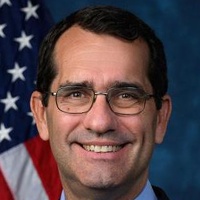
Derek Schmidt
Representative
KS-2
The Criminal History Access Act of 2026 updates federal law regarding the sharing of criminal justice records by the FBI. This legislation expands information exchange to include state sentencing commissions and peace officer standards and training agencies. It also clarifies the definitions for these key entities and sets a deadline for the Attorney General to update related regulations.
New Law Expands Criminal Record Sharing to Sentencing and Training Agencies
Alright, let's talk about the Criminal History Access Act of 2026. This bill isn't exactly going to change your morning commute, but it's a pretty significant update to how criminal justice information gets shared around the country. Think of it as upgrading the government's internal email system for criminal records.
What's Actually Changing?
Basically, this act expands who the Attorney General can share criminal history records and information with. Before, they could share with federal, state, tribal, and local criminal justice agencies. Now, they're explicitly adding a few more players to the list, specifically the United States Sentencing Commission, various state sentencing commissions, and state peace officer standards and training agencies (that's a mouthful, I know). So, if you're wondering what that means, it's about making sure that the folks who set sentencing guidelines and those who certify police officers have more complete data at their fingertips. This is laid out clearly in SEC. 2, which amends existing federal law.
Defining the Details
The bill also cleans up some definitions, which is less exciting but super important for clarity. It adds a formal definition for a "peace officer standards and training agency." This isn't just some random group; it's an agency with the legal muscle to set standards for hiring, training, ethical conduct, and keeping law enforcement officers certified or licensed. So, when the bill talks about sharing information with these agencies, everyone knows exactly who they mean. It also broadens the definition of "State" to include all 50 states, D.C., Puerto Rico, and all other U.S. territories and possessions, ensuring consistent application across the board. These new definitions are also found in SEC. 2.
When Does This Kick In?
Don't expect these changes to happen overnight, but they're on a pretty tight schedule. The Attorney General has 180 days from the bill's enactment to update the federal regulations (specifically Title 28, Part 20 of the Code of Federal Regulations) to reflect these new rules. This deadline, also in SEC. 2, ensures that the bureaucratic gears start turning quickly to implement the new information-sharing protocols.
Who Benefits (and Who Doesn't Really Notice)?
For most of us, these changes won't directly affect our day-to-day lives. You're not going to see your own criminal record (if you have one) suddenly pop up in new places you didn't expect. This is primarily about making the criminal justice system's internal workings more efficient and comprehensive. The main beneficiaries are the various criminal justice agencies themselves—the Sentencing Commission, state training agencies, and law enforcement entities. They'll theoretically have better, more complete information to do their jobs, whether that's setting fair sentences or ensuring police officers meet certain standards. It’s a behind-the-scenes administrative update designed to streamline data flow within government systems.