This act raises the mandatory retirement age for Foreign Service officers from 65 to 67, or to the applicable Social Security retirement age, whichever is higher.
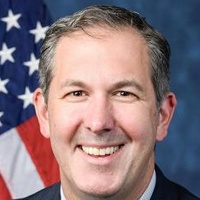
Johnny Olszewski
Representative
MD-2
The Foreign Service Age and Integration and Reform (FAIR) Act of 2026 proposes to raise the mandatory retirement age for Foreign Service officers. This legislation adjusts the mandatory retirement age from 65 to 67, or to the individual's applicable Social Security retirement age, whichever is greater.
Foreign Service Retirement Age Bumps to 67, or Higher, Starting 2026
Alright, let's talk about the Foreign Service Age and Integration and Reform (FAIR) Act of 2026. This bill is pretty straightforward, but if you or someone you know is in the Foreign Service, it's definitely worth a look. Essentially, it's changing the mandatory retirement age for these folks.
Keeping Experience on Board
Currently, Foreign Service officers have to hang up their hats at 65. But under this new bill, that age is getting bumped up. Specifically, Section 2 of the FAIR Act of 2026 modifies Section 812(a)(1) of the Foreign Service Act of 1980, pushing the mandatory retirement age to 67. There's a little twist, though: if the applicable Social Security retirement age is higher than 67, then that higher age becomes the new mandatory retirement age. So, for example, if the Social Security retirement age for a particular individual is 68, they could work until 68.
What This Means for the Diplomats and You
For the Foreign Service officers themselves, this is a clear win if they want to keep working longer. It means more time to contribute, more time to earn, and more time to use their hard-earned experience. Think about it: these are people who've likely spent decades navigating complex international relations, speaking multiple languages, and representing the U.S. abroad. Retaining that institutional knowledge and expertise for an additional couple of years could be a big deal for the State Department.
From a broader perspective, this change could mean a more experienced Foreign Service overall. Instead of losing seasoned diplomats and specialists right at 65, the government gets to hold onto that talent for a bit longer. For the rest of us, it might mean more continuity in foreign policy and potentially more effective diplomatic efforts, as experienced hands are still on deck. It's a pragmatic adjustment that acknowledges the value of experience, especially in roles that demand such a unique skill set.