This act establishes a Small Business Administration program offering assistance equivalent to the 8(a) program for small businesses owned and controlled by long-term residents of Guam, American Samoa, or the Northern Mariana Islands.
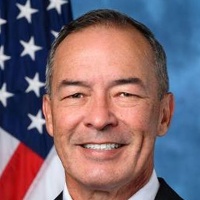
James (Jim) Moylan
Representative
GU
This act establishes the Territorial Small Business Development Act of 2026 to create a new Small Business Administration (SBA) assistance program specifically for businesses owned and controlled by residents of Guam, American Samoa, and the Northern Mariana Islands. The program will mirror the support provided under the existing 8(a) program, but without imposing net worth requirements for applicants. To qualify, owners must demonstrate a 10-year residency in one of these territories, and the business must be principally located there.
New SBA Program Targets Small Businesses in Pacific Territories: No Net Worth Required
Alright, let's cut through the legislative jargon and get to what matters. We're looking at the Territorial Small Business Development Act of 2026, and if you're living or looking to start a business in Guam, American Samoa, or the Commonwealth of the Northern Mariana Islands, this one's for you.
Boosting Business in the Pacific
So, what's the big deal here? This bill is setting up a brand-new program within the Small Business Administration (SBA) specifically designed to give a leg up to small businesses in these Pacific territories. Think of it like this: the SBA already has a program, the 8(a) program, that helps socially and economically disadvantaged businesses get contracts and support. This new act basically extends that same kind of help to businesses owned and controlled by residents of these three territories. It's about leveling the playing field and making sure these communities get the resources they need to thrive.
One of the coolest parts? Unlike some existing programs, this one won't have any net worth requirements for applicants. That's a pretty big deal because it means more entrepreneurs who might not have a ton of personal assets can still qualify for crucial assistance. For a small business owner trying to get off the ground or expand, not having to worry about an arbitrary net worth cutoff could be a game-changer.
Who's In? The Eligibility Lowdown
Now, let's talk brass tacks: who actually qualifies for this program? The bill lays out some pretty clear rules. To be eligible, the business owners need to show they've been residents of Guam, American Samoa, or the Commonwealth of the Northern Mariana Islands for at least 10 years right before they get assistance. This isn't just a quick residency stamp; it's about making sure the support goes to long-term community members. (Sec. 2)
Beyond that, the business itself has to have its main operations — its "principal place of business" — in one of these three territories. And here’s the kicker: at least 51% of the business has to be owned by one or more of these Pacific territories residents. If it’s a publicly traded company, then 51% of the stock needs to be in their hands. Plus, these same residents have to be the ones calling the shots, controlling the daily management and operations. (Sec. 2) It’s all designed to ensure the benefits really stick within these communities.
Real-World Ripple Effects
What does this mean for you? If you’re a local entrepreneur in, say, American Samoa, and you’ve been dreaming of expanding your small construction company but hitting roadblocks on funding, this program could open doors. It means access to the same kind of assistance — think mentorship, help with government contracts, and financial advice — that other disadvantaged businesses get. For someone juggling rising costs and trying to keep a business afloat, this kind of targeted support isn't just nice to have; it can be the difference between making it and shutting down. It’s about more than just money; it’s about providing the tools and connections to build sustainable local economies. The bill even includes a small technical fix to update an existing cross-reference, which is just the kind of housekeeping you expect in legislation. (Sec. 2)
Ultimately, this act is a pretty straightforward move to inject some direct support into the small business ecosystems of these Pacific territories, making it easier for local residents to build and grow their ventures without getting tripped up by a net worth check.