This act exempts compensation received by poll workers from federal income taxes, effective after December 31, 2025.
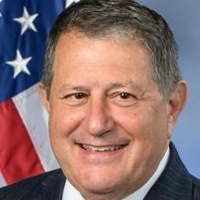
Joseph Morelle
Representative
NY-25
The Poll Worker Tax Cut Act amends the Internal Revenue Code to exclude compensation received by poll workers from federal income tax. This provision aims to incentivize participation in elections by making poll worker pay tax-free at the federal level. However, this income exclusion does not apply to employment taxes like Social Security and Medicare.
Poll Worker Tax Cut Act: Federal Income Tax Exemption for Election Day Pay Kicks In 2026
Alright, let's talk about a bill that’s looking to give a little shout-out to the folks who make our elections run smoothly. We’re diving into the Poll Worker Tax Cut Act, which, if it becomes law, is going to change how poll workers handle their pay come tax season.
The Nitty-Gritty: What's Changing?
This bill introduces a new Section 139M to the Internal Revenue Code. What that means for you is pretty straightforward: if you’re working as a poll worker during an election for public office, the money you earn for that temporary service won't be counted as gross income for federal income tax purposes. Think of it like this: that extra cash you make on Election Day won’t be taxed by Uncle Sam on your federal return. This change is set to apply to any compensation received after December 31, 2025.
Now, here’s a key detail to keep in mind: while your poll worker pay will be exempt from federal income tax, it’s still going to be considered wages for employment tax purposes. So, things like Social Security, Medicare, and unemployment taxes (what’s called “subtitle C” in the tax code) will still apply. The Treasury Secretary will also be drawing up the specific regulations to make sure this all rolls out correctly.
Why This Matters for Your Wallet and Your Community
For anyone who’s ever considered working at the polls – or already does – this is a clear financial incentive. Imagine you’re a college student looking for some extra cash, or a retiree wanting to give back to the community. That income, while important, might push you into a different tax bracket or just be another line item to deal with. By making it federal income tax-free, the bill aims to make the role more attractive.
Think about it from a practical standpoint: if you’re working a long day at the polls, helping people cast their ballots, this bill says, “Hey, we appreciate you, and we’re going to make that appreciation a little more tangible.” For the election system itself, this could be a big deal. Many areas struggle to find enough poll workers, and anything that encourages more people to step up and serve could help ensure smoother, more efficient elections. It’s a small but mighty change that acknowledges the crucial, often unsung, work these individuals do.