The Great American Healthcare Plan overhauls Health Savings Accounts, creates new group health purchasing pools, mandates sweeping price transparency, reforms Medicare drug payments, and expands access to certain prescription drugs.
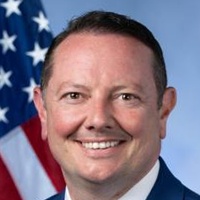
Eric Burlison
Representative
MO-7
The **Great American Healthcare Plan** is a comprehensive bill designed to overhaul the U.S. healthcare system through five key titles. It dramatically expands Health Savings Accounts (HSAs) to be universally accessible with higher contribution limits and broader spending options, while also creating new group health coverage pools through ERISA. Furthermore, the plan mandates strict price transparency for providers and insurers, adjusts Medicare payment structures for high-cost cancer drugs, and establishes a new category of "expanded-access prescription drugs" for easier dispensing by certain licensed professionals. Overall, the legislation aims to increase consumer control over healthcare spending, lower costs through transparency, and improve access to both savings vehicles and medications.
Great American Healthcare Plan Overhauls HSAs and Demands Price Transparency: Key Changes Coming by 2027.
The Great American Healthcare Plan is a massive shift in how you pay for and access medical care. It effectively decouples Health Savings Accounts (HSAs) from high-deductible insurance plans, allowing anyone to open one regardless of their current coverage. Starting with the next tax cycle, contribution limits would skyrocket to match 401(k) levels—up to $23,000 annually—while expanding what you can buy with that tax-free money to include gym memberships, vitamins, and even healthy food. Beyond the tax perks, the bill mandates that hospitals and insurers stop hiding their 'secret' negotiated rates, requiring them to provide you with machine-readable price lists and real-time cost estimates before you even step into an exam room.
Your HSA Is Getting a Major Promotion
Under Title I, the HSA is no longer just a sidecar for high-deductible plans; it’s being positioned as a primary financial tool. For a 30-year-old freelancer or a small business employee, this means you can set aside significant chunks of pre-tax income for health costs even if you have a traditional PPO. The bill also adds a 'safety net' feature, protecting your HSA from creditors in bankruptcy just like a retirement account. However, there’s a catch for the budget-conscious: while the bill allows employers to satisfy insurance mandates by simply dropping $450 a month into your HSA (Section 105), this could lead some companies to phase out comprehensive group plans, leaving you to navigate the open market with just your account balance and a prayer.
Shopping for Surgery Like You Shop for a Car
Title III aims to end the 'bill shock' that happens three weeks after a procedure. Hospitals and labs will be required to post actual cash prices and negotiated insurer rates in a way that’s actually searchable. Imagine a construction worker needing a knee MRI; under these rules, their insurer must provide an online tool giving a 'good-faith estimate' of the total cost. If the estimate is wrong, the insurer—not the patient—has to eat the difference. This transparency is backed by daily fines of up to $100,000 for vendors who hide data from employers, a move designed to stop the 'black box' pricing that keeps healthcare costs climbing.
Bypassing the Doctor’s Office for Routine Meds
One of the most radical changes is the creation of 'expanded-access' drugs in Title V. This allows pharmacists or physician assistants to dispense certain low-risk medications—think routine asthma inhalers or certain skin treatments—without you needing a formal doctor's prescription first. While this saves a $50 co-pay and a morning off work for a simple refill, it also creates a bit of a regulatory 'Wild West.' The federal government would preempt state laws to make this happen, meaning your local state medical board might lose its say in who gets to hand out what. For those in rural areas with few doctors, it’s a win for convenience, but it places a heavy burden on the HHS Secretary to ensure the 'low-risk' list doesn't grow to include anything truly dangerous.