This bill prohibits Presidents, Vice Presidents, and their close associates from receiving monetary payments or settlements from the United States government and imposes strict transparency and procedural requirements on any allowed legal claims.
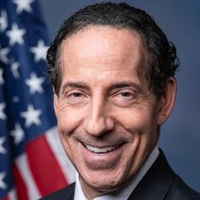
Jamie Raskin
Representative
MD-8
This bill amends federal law to prohibit current and former Presidents, Vice Presidents, and their close associates from receiving monetary payments or settlements from the United States government. It establishes strict rules and transparency requirements for any damages lawsuits they might file against the government. The legislation also imposes significant penalties for willful violations of these new restrictions by covered individuals and federal employees.
New Bill Curbs Ex-Presidents' Payments from U.S. Government: Increases Transparency for Claims
Alright, let's talk about a bill that’s looking to tighten the purse strings when it comes to former top brass and their dealings with Uncle Sam. This isn't about their pensions or anything like that, but rather about how Presidents, Vice Presidents, and their inner circle can (or can't) get money from the U.S. government through things like settlements or lawsuits.
No More Settlement Surprises
This new legislation, dubbed "To amend title 28, United States Code, to prohibit Presidents and Vice Presidents from receiving damages payments from the United States, and for other purposes," is pretty straightforward. It says that the President, Vice President, former Presidents and VPs, their spouses, dependent children, and any trusts or entities they control (the "covered individuals") can't receive any payment from the U.S. government through a settlement, consent decree, or administrative resolution. We're talking damages, reimbursements, attorney fees—the whole nine yards. They also can't tell the government to send that money to someone else. It's all laid out in Section 1, which essentially slams the door shut on these kinds of financial payouts.
Suing Uncle Sam? Get Ready for the Spotlight
Now, if a covered individual decides to sue the U.S. government for damages, the rules change significantly. For starters, a court can only award actual or compensatory damages, meaning they can only get paid back for what they demonstrably lost, not punitive damages (those extra payments meant to punish). And here’s a big one: the court has to appoint an independent counsel to represent the agency being sued, and that agency must cooperate. This provision, detailed in Section 1, aims to keep things fair and above board. Plus, for maximum transparency, all filings and proceedings in such a lawsuit will be publicly available online for free, including live audio of every court session. Imagine tuning into that! This is a clear move to prevent any backroom deals and ensure the public sees exactly what’s happening.
Former Officials, New Rules for Claims
What about after they've left office? A former President or VP can still file a claim or sue the U.S. government, but there are some serious hoops to jump through. Section 1 mandates that the agency involved must appoint a career employee (someone who can only be removed for good cause) to lead the review. Crucially, no executive branch employee or official appointed by the covered individual can be involved in reviewing, litigating, or deciding on the claim. This is a smart move to prevent potential conflicts of interest, ensuring that their old appointees aren't just rubber-stamping payouts. Any payment agreement terms, amount, date, and form must be published in the Federal Register within seven days, and Congress gets a full report. It’s all about making sure everything is out in the open.
The Cost of Breaking the Rules
This bill isn't just about setting new guidelines; it's got teeth. If a covered individual willfully violates the settlement ban or knowingly files a prohibited administrative claim, they could face serious penalties. We're talking disgorgement of the payment (meaning they have to give it back), civil penalties up to $1,000,000 or the total payment amount (whichever is greater), and even up to five years in prison, or any combination of these. And if a government employee helps an agency violate these rules, they could face up to $50,000 in civil penalties and six months in prison. These penalties, outlined in Section 1, show this bill means business when it comes to accountability.
This legislation applies to any payment requests or recoveries happening after it becomes law, regardless of when the original claim popped up. It’s a pretty clear signal that when it comes to financial dealings between high-ranking former officials and the government, the era of quiet settlements and opaque processes is intended to be over.