This bill amends the Higher Education Act to revise the eligibility criteria for certain foreign graduate medical schools to participate in federal student loan programs.
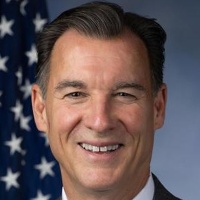
Thomas Suozzi
Representative
NY-3
This bill amends the Higher Education Act of 1965 to revise the eligibility criteria for certain foreign graduate medical schools to participate in federal student loan programs. It narrows the definition of an eligible institution by requiring these schools to meet specific enrollment thresholds for U.S. persons or maintain state-approved clinical training programs within the U.S. This change directly impacts which international medical schools can access Title IV federal student aid.
New Bill Tightens Federal Loan Access for Foreign Medical Schools, Impacts Student Options
Alright, let's talk about a new piece of legislation that's looking to tweak who gets federal student loan money when it comes to medical schools outside the U.S. This bill is all about redefining which foreign graduate medical schools are eligible for those sweet Title IV, Part D federal student loan programs. Essentially, it's putting up some new gates, so fewer of these international institutions might qualify, which could definitely shake things up for aspiring doctors looking abroad.
The New Gatekeepers: Who Gets In?
So, what's changing? Well, the bill is amending the Higher Education Act of 1965, specifically Section 102(a)(2)(A). It's saying that a foreign graduate medical school is out of the federal loan game unless it meets one of two pretty specific conditions. Think of it like this: if you're a school, you've got to either show that at least 60% of your current students and 60% of your graduates from the year before were not non-U.S. citizens or permanent residents (basically, a solid chunk of folks with U.S. ties).
Or, if that first door isn't an option, there's a second one. Your school needed to have a clinical training program that, as of January 31, 2021, was officially approved by a U.S. state. And not just any approval, but one that required an actual on-site visit from that state or its reps. Plus, you've gotta still be running a clinical training program in at least one state that's got its stamp of approval. It’s a pretty specific grandfather clause, right?
What This Means for Your Wallet and Your Future
For anyone dreaming of becoming a doctor and considering a foreign medical school, this bill could be a big deal. If a school you're eyeing doesn't meet these new criteria, federal student loans might be off the table. That means you'd need to find other ways to fund your education, which, let's be real, can be a huge hurdle. This isn't just about the schools; it's about your access to funding and, ultimately, your career path.
On the flip side, for schools that do meet these requirements, especially those with established clinical programs in the U.S., it might mean a more stable flow of students who can access federal aid. The bill seems to be pushing federal loan dollars towards institutions that either heavily serve U.S. citizens and permanent residents or have a well-vetted, state-approved presence within the U.S. healthcare system. It's about ensuring those federal funds are going to places with a clearer path or a stronger connection to the U.S. medical landscape. However, for those schools that don't fit the mold, or for students who might have preferred them, this could definitely narrow the options.