The SAFER Transport Act establishes new measures to combat freight fraud and theft, streamlines carrier identification systems, strengthens CDL requirements, and enhances oversight of training providers and foreign dispatch services.
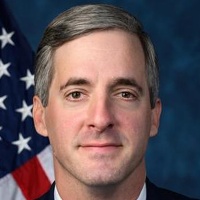
Brad Knott
Representative
NC-13
The SAFER Transport Act aims to enhance security and combat fraud across the freight and motor carrier industries. Key provisions include establishing an advisory committee on freight fraud, phasing out MC numbers in favor of USDOT numbers, and strengthening Commercial Driver's License (CDL) verification for non-citizens. The bill also introduces new regulations for foreign dispatch services and enhances enforcement against illegal point-to-point transport by foreign carriers.
New SAFER Transport Act Overhauls Trucking Registration, Cracks Down on Freight Fraud, and Tightens Driver Licensing
Alright, let's talk trucks, fraud, and a whole lot of paperwork. The new SAFER Transport Act is hitting the road, and it’s looking to shake up how freight moves across the country, aiming to make things safer and cut down on theft and dodgy dealings. If you’re a trucker, a broker, or just someone who relies on goods getting from point A to point B, this one’s got some big changes you’ll want to know about.
The Great ID Swap: Say Goodbye to MC Numbers
First up, remember those MC numbers? Well, they’re getting a pink slip. Over the next five years, the Department of Transportation (DOT) is phasing them out completely. The goal? Everyone in the trucking and transportation industry—motor carriers, brokers, and freight forwarders—will use a single USDOT number as their official identifier. Think of it like moving from an old, clunky filing system to a sleek, unified digital ID. Section 5 lays this out, stating that the Secretary cannot issue or renew MC numbers starting from the bill’s enactment. For folks running a business, this means getting ready to consolidate your IDs and ensuring your USDOT number is in tip-top shape, because after five years, that’s all you’ll have.
Fighting Freight Fraud: A New Task Force and Digital Watchdogs
Nobody likes a thief, especially when it messes with supply chains and your bottom line. This bill is taking a swing at freight fraud and theft with a multi-pronged approach. Section 3 mandates a new Freight Fraud and Theft Advisory Committee, bringing together everyone from independent owner-operators to insurance companies to figure out how to stop these crimes. Then, Section 4 requires the DOT and the Department of Justice to team up, creating a formal agreement to share info when fraud is spotted. It’s like setting up a neighborhood watch, but for cargo. Plus, Section 8 is bringing in the tech: the FMCSA has a year to roll out automated systems that’ll flag suspicious activity in their registration system—like rapid changes to company info or weird registration patterns. If you’re an existing user, this means your digital footprint will be under closer scrutiny, and if you’re a new user, expect a thorough digital pat-down. If something looks off, your registration could be temporarily suspended while they investigate, and if fraud is confirmed, they can pull your operating authority. This is a big deal for legitimate businesses, as it aims to clean up the bad actors, but it also means everyone needs to be extra diligent with their digital records.
Driving Rules: Tighter CDL Checks and Training Oversight
For anyone behind the wheel of a commercial vehicle, or those looking to get there, Section 6 is tightening up the rules for Commercial Driver’s Licenses (CDLs) and Commercial Learner’s Permits (CLPs). Specifically, if you’re not a U.S. citizen or lawful permanent resident, states will now have to verify your work authorization and make sure your CDL or CLP expires when your work authorization does. No more open-ended licenses if your work permit has an end date. States also have to send monthly reports to the DOT on all licenses, permits, and endorsements issued, revoked, or suspended. This means more paperwork for states, but it's designed to ensure everyone on the road is properly authorized. Section 7 also puts the Commercial Driver’s License Training Provider Registry under the microscope. The Secretary will now audit training providers to ensure they’re meeting standards and can even remove them from the registry if they're found guilty of fraud or violating state regs. For aspiring truckers, this should mean better, more reliable training, but for training providers, it means a lot more oversight and the need to register a principal place of business within a year if they’re not already on the ball.
Who's Hauling What? Cracking Down on Foreign Carriers and Fraudulent Docs
This bill also gets specific about who can move what, where. Section 9 is pretty clear: motor carriers from Canada or Mexico, or U.S. carriers owned by Mexican interests, generally can’t haul domestic cargo between two points in the U.S. Same goes for any carrier using a driver not authorized to work in the U.S. It’s a move to protect domestic freight jobs and ensure proper authorization. If you’re caught using or submitting fraudulent certifications related to motor carrier safety, Section 11 creates a new federal crime, carrying fines and up to five years in prison. This is a serious deterrent for anyone thinking about bending the rules to get ahead. Lastly, Section 12 defines and regulates “foreign dispatch services,” requiring them to register as brokers. This closes a loophole, ensuring that even if a service isn't based in North America, they play by the same rules if they're coordinating freight here. For businesses, this means understanding the new, clearer definition of a 'broker' (Section 14) and ensuring any partners, especially those overseas, are properly registered. And if you’ve been a victim of cargo theft and got fined by CBP for unsealed containers, Section 10 offers a silver lining: you might get reimbursed for those fines if the theft meets specific criteria. It’s a small win for those who’ve been hit hard.
This bill is a major push to modernize and secure the freight industry. While it promises a more streamlined and safer environment, it also brings a wave of new regulations, checks, and balances that everyone in the supply chain will need to navigate. Keep an eye on those USDOT numbers and make sure all your ducks are in a row!