This bill enhances the consultation rights of federal water project contractors during Endangered Species Act reviews that may affect their water deliveries.
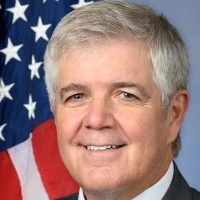
Cliff Bentz
Representative
OR-2
The Federal Water Projects Consultation Improvement Act of 2026 amends the Endangered Species Act to grant specific consultation rights to contractors of federal water projects. This ensures that entities with Bureau of Reclamation contracts receive routine opportunities to discuss, submit information, and review assessments related to project operations affecting water delivery. The bill mandates increased engagement regarding biological assessments and opinions, especially when water deliveries might be reduced.
New Law Boosts Water User Say in Federal Projects, Impacts on Endangered Species Consultations
Ever feel like big decisions about resources are made without your input? Well, a new bill, the Federal Water Projects Consultation Improvement Act of 2026, aims to change that for folks relying on federal water projects. Essentially, if you’re part of a public agency or a water users association that gets water from a federal project (think irrigation districts or city water departments), this act gives you a much bigger seat at the table when federal agencies are talking about how those projects might affect endangered species.
More Than Just a Heads-Up
This isn't just about getting an email notification. The bill amends the Endangered Species Act of 1973 to require that, if requested, these 'covered entities' get ongoing chances to actually discuss things and submit information while agencies are putting together their biological assessments. That's the document where they figure out if a project will harm endangered species. So, instead of just being told what’s happening, you get to be involved in the preparation itself. This could mean a lot for farmers or city planners whose operations hinge on consistent water supply.
When Water Delivery is on the Line
Here’s where it gets really impactful: if a federal agency even considers an action that might mean less water for your contract, they have to lay all their cards on the table. They’ve got to explain the legal reasons for the proposed reduction, how each part of that action helps protect species, and, crucially, why other options that wouldn't hit your water supply or wallet as hard aren't good enough. For anyone running a business or household where water is a critical resource, this level of transparency could be a game-changer, helping them understand and potentially push back on proposed changes.
A Say in the Solutions
Before any 'reasonable and prudent alternatives' are identified—those are the suggested fixes to avoid harming species—the bill ensures that water contractors get to confer and engage with the action agency. This means you’re not just reacting to a plan; you’re helping shape it. And if the Secretary proposes a measure to avoid or minimize harm to endangered species, they also have to explain how that measure works and why it’s legally sound. This could prevent agencies from implementing solutions that might be overly burdensome without clear justification, giving water users a chance to advocate for less disruptive alternatives.
The Balancing Act Ahead
While this bill clearly aims to boost transparency and give water contractors a stronger voice, it also introduces a new layer of complexity to the already intricate process of balancing water needs with species protection. The increased engagement, defined as “direct written and in-person communications that recognize the contractor's unique interest and promote maximum candor and cooperation,” could be a double-edged sword. On one hand, it fosters collaboration. On the other, it could potentially lengthen consultation timelines, adding more steps to decisions that are often time-sensitive. For federal agencies, it means more detailed justifications and back-and-forth, which could slow down the process of implementing critical protections for endangered species. The goal is to make sure everyone's needs are heard, but the challenge will be ensuring this doesn't inadvertently hinder the primary goal of protecting vulnerable species and their habitats.