This Act directs the Treasury Secretary to identify, review, and protect U.S. national security interests by taking protective action against certain high-risk foreign-held financial assets and mandates CFIUS review of past transactions involving sensitive nuclear infrastructure.
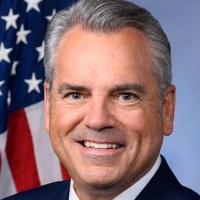
Mark Alford
Representative
MO-4
The Strategic Assets Protection Act directs the Treasury Secretary to identify and protect U.S. national security interests by reviewing foreign-held financial assets deemed risky. This legislation authorizes the Secretary to freeze or prohibit transactions involving these covered assets held within U.S. institutions. Furthermore, it mandates CFIUS review of past foreign investments near critical U.S. nuclear triad infrastructure.
Treasury Gets New Powers to Freeze Foreign Assets, Retroactively Review Nuclear Site Deals
Alright, let's talk about the Strategic Assets Protection Act. This bill is basically giving the Treasury Secretary a big new toolkit to identify, review, and then potentially freeze financial assets held by foreign individuals or entities if they're deemed a risk to U.S. national security or economic stability. Think of it like a new, beefed-up security system for the country's financial interests.
Who's Holding the Purse Strings Now?
First up, this Act hands the Secretary of the Treasury a lot of power. They'll be compiling a list of foreign-held assets that meet certain risk criteria (Section 1, Identification of Covered Assets), which includes assets owned by foreign governments, state-owned enterprises, or folks already under U.S. sanctions. This list gets updated annually and sent to Congress. Within 180 days of the bill becoming law, the Secretary has to do a deep dive on all these identified assets and report back to Congress on their nature, value, and location. So, if you're a foreign entity with significant assets in the U.S., you're definitely on the radar.
What Can They Actually Do?
Once an asset is flagged, the Secretary isn't just taking notes. They can take some pretty direct actions, like freezing assets held in U.S. financial institutions, prohibiting transactions involving those assets, and even requiring U.S. persons to report any knowledge of covered assets (Section 1, Protective Actions). This could mean that if a foreign individual or company has investments, bank accounts, or even real estate in the U.S. that are deemed risky, those assets could suddenly be locked down. Imagine trying to run a business or manage your personal finances if your bank accounts or properties were suddenly frozen—that's the kind of real-world impact we're talking about.
A Look Back at the Nuclear Neighborhood
Here's where things get really interesting, and potentially a bit messy for some. The bill also requires the Committee on Foreign Investment in the United States (CFIUS) to go back in time and review all transactions completed on or after January 1, 2017 (Section 2, CFIUS review of certain transactions). This isn't just any transaction; it's specifically about real estate, businesses, critical infrastructure, or assets located near, adjacent to, or supporting U.S. nuclear triad facilities. We're talking intercontinental ballistic missile sites, submarine bases, strategic bomber bases, and nuclear research facilities. If you bought or sold property or a business in one of these sensitive areas since 2017, CFIUS is now going to be scrutinizing that deal for national security risks. This retroactive review could certainly create headaches and uncertainty for businesses and individuals who thought their past transactions were settled.
The 'National Security' Card
Now, there's a significant catch here: the Secretary can waive any requirement of this Act if they decide it's in the national security interest of the United States (Section 1, Exceptions and Waivers). They just have to tell Congress within 15 days. While having flexibility for national security is understandable, this provision grants a lot of power to bypass the bill's own rules with relatively quick notification, which could be a concern for transparency and oversight. It means the broad authority given to the Secretary could, in certain situations, be exercised without the full checks and balances that the rest of the bill implies.
What This Means for You
If you're a foreign investor or business, especially one with ties to a foreign government or state-owned enterprise, this bill means a significant increase in scrutiny over your U.S. assets. For anyone involved in real estate or business transactions near sensitive U.S. defense sites, particularly those since 2017, there's a new layer of review coming your way. The bill aims to protect U.S. national security by tightening controls on foreign-held assets and investments, but it also concentrates substantial power in the Treasury Department and introduces a retroactive review that could stir up past deals.