This act transfers authority for siting interstate electric transmission facilities to FERC and establishes a new self-certification process for construction within national interest corridors.
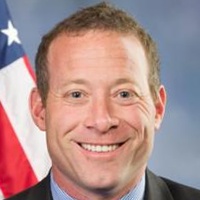
Josh Gottheimer
Representative
NJ-5
The Grid Expansion and Reliability Act aims to streamline the construction of interstate electric transmission facilities by transferring siting authority from the Secretary of Energy to the Federal Energy Regulatory Commission (FERC). This new process allows for self-certification of projects within national interest corridors, subject to annual FERC audits and reporting to Congress on the process's effectiveness. The bill simplifies certain requirements related to landowner engagement during the authorization process.
New Grid Bill Fast-Tracks Power Lines, Cuts Local Input: FERC Takes Over Siting Authority
Alright, let's talk power lines. Not the kind that just deliver juice to your house, but the big, interstate transmission facilities that crisscross states. There's a new bill on the table, the Grid Expansion and Reliability Act, and it's looking to shake up how these get built. Essentially, it's shifting the authority for approving these massive projects from the Department of Energy over to the Federal Energy Regulatory Commission (FERC).
The New Fast Lane for Power Lines
Here’s the kicker: this bill introduces a new 'self-certification' process for companies wanting to build or modify these transmission lines in designated national interest corridors. What does that mean? Instead of a lengthy approval process, a company can basically submit a detailed description of their project to FERC, including their name, what they do, and what they plan to build, along with expected start and end dates. FERC then has to issue regulations for this within a year of the bill becoming law. Think of it like an express lane for infrastructure development, designed to get projects moving faster.
Less Talk, More Action? The Local Impact
Now, here’s where it gets interesting for folks on the ground. The bill removes a pretty significant requirement: that FERC determine if a company made 'good faith efforts to engage with landowners and stakeholders early in the permitting process.' (Section 2, subsection (i)). This is a big deal. Previously, companies had to show they were talking to communities and property owners who might be directly affected by a new power line running through their backyard or across their farm. With this provision gone, it could mean less opportunity for local input and more projects moving forward without that early community conversation.
For example, if you own a small farm and a new transmission line is proposed to run right through your property, under the old rules, the company would have had to show they tried to engage with you early on. Under this new bill, that specific requirement is gone. While FERC will still audit the certifications annually and report to Congress on the process's effectiveness and any issues, the upfront engagement piece is significantly watered down.
Who Benefits and Who Bears the Brunt?
On one hand, this bill could be a win for electric utility companies and anyone pushing for faster grid expansion. If the goal is to quickly build out our electric infrastructure—perhaps to integrate more renewable energy or just improve reliability—this streamlined process could certainly speed things up. Consumers might eventually see benefits from a more robust and reliable power grid. FERC also gains a lot more power and responsibility in this area.
On the other hand, landowners and local communities, along with environmental groups, might find themselves with less say. The removal of that 'good faith engagement' clause (Section 2, subsection (i)) means that the process could become less collaborative. It’s a classic trade-off: speed and efficiency versus local control and community input. The bill aims to make it easier to build, but it also makes it easier to build without as much upfront negotiation with the people whose lives and land will be directly impacted. It’s definitely one to watch if you care about how big infrastructure projects get approved in your neck of the woods.