This act establishes an interagency group to coordinate and develop categorical exclusions for energy and storage projects under the National Environmental Policy Act (NEPA).
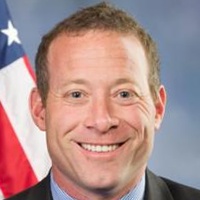
Josh Gottheimer
Representative
NJ-5
The Commonsense Review Act establishes an interagency group, chaired by the Secretary of Energy, to standardize and create categorical exclusions under NEPA for energy-related projects. This group must adopt existing exclusions from member agencies or jointly develop new ones for transmission and battery storage projects within a year. The group will then report its actions and recommendations to Congress before dissolving.
New 'Commonsense Review Act' Aims to Streamline Environmental Checks for Energy Projects
Alright, let's talk about something that might actually speed up how we get electricity to our homes and businesses. This new piece of legislation, cleverly dubbed the Commonsense Review Act, is all about making federal agencies play nicer together when it comes to environmental reviews. Specifically, it targets something called 'categorical exclusions' under the National Environmental Policy Act (NEPA).
What's a 'Categorical Exclusion' Anyway?
Think of it like this: when you're building a new shed in your backyard, you probably don't need a full-blown environmental impact study. It's a small project, and it's pretty clear it won't mess up the local ecosystem. That's essentially what a categorical exclusion is for federal projects — a category of actions that typically don't have a significant environmental impact, so they can skip the super-detailed environmental review process. This bill is looking to streamline that process, especially for energy infrastructure.
The Agency Dream Team
The Act sets up a temporary interagency group, kind of like a special task force, made up of some heavy hitters: the Secretaries of Energy, Interior, and Agriculture, plus members from the Federal Energy Regulatory Commission. The Secretary of Energy gets to be the boss of this particular club. Their main gig? Within about a year (360 days, to be exact), they've got to get their acts together and do a few things:
First, each agency needs to look at the categorical exclusions other agencies are already using. If it makes sense for their own projects, they're supposed to adopt them. So, if the Department of Energy has a good, quick way to greenlight a specific type of transmission line, the Department of the Interior might pick up that same method if it fits their work.
Second, these agencies are tasked with creating new categorical exclusions, specifically for projects related to interstate electric energy transmission or battery storage. The catch is, these projects must be ones that "normally do not significantly affect the quality of the human environment." This is where things get a little squishy, as what counts as "significant" can sometimes be a matter of interpretation.
Reporting Back and Waving Goodbye
After all that coordination, the group has to send a report to Congress detailing what exclusions they adopted, what new ones they created, and if they didn't adopt or create any, they need to explain why. They also get to offer recommendations for future collaboration and any legal changes that might be needed. Once that report is filed, the group packs up its bags and dissolves. It's a temporary gig with a clear end date.
What This Means for You
For folks juggling work and life, this bill aims to cut down on some of the bureaucratic red tape that can slow down major energy projects. If these agencies can agree on common-sense environmental checks, it could mean that new power lines or battery storage facilities get built a bit faster. For example, if you're a small business owner relying on a stable power grid, or a homeowner concerned about rising energy costs, faster infrastructure development could, in theory, lead to more reliable and potentially more affordable energy down the line. It's about trying to make the government's left hand know what its right hand is doing, which is always a win for efficiency.
However, it's worth noting that the language around what's "appropriate" for agencies to adopt, or what "normally do not significantly affect" the environment, leaves a bit of wiggle room. These are the kinds of details that, while seemingly minor, can sometimes lead to different interpretations and debates down the road. But for now, it's an effort to bring some consistency and speed to how we build out our energy future.