This bill nullifies the February 2026 presidential import surcharge, prohibits future similar actions, and mandates the refund of all tariffs collected under the proclamation.
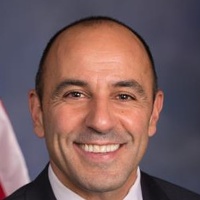
Jimmy Panetta
Representative
CA-19
This bill nullifies Presidential Proclamation 11012, effectively repealing the temporary import surcharge imposed on February 20, 2026. It prohibits the implementation or enforcement of similar future surcharges and mandates a full refund of all tariffs collected under the proclamation.
New Trade Bill Nullifies 2026 Import Surcharge: Government Mandated to Refund Collected Tariffs
This bill moves to immediately cancel Presidential Proclamation 11012, a 2026 executive action that slapped a temporary surcharge on imported goods to manage international payment issues. Beyond just stopping the current tax, the legislation takes the rare step of banning any future president from using similar surcharges, regardless of the percentage rate. Most importantly for businesses that have already paid up, the bill requires the federal government to refund every dollar collected under this surcharge since February 20, 2026. Under Section 1, the bill also blocks any federal funding from being used to enforce or even manage the surcharge program moving forward.
The Price of Admission
For anyone running a business that relies on parts or products from overseas—think a local bike shop owner ordering frames or a tech startup importing specialized sensors—this bill is a massive financial reset. By nullifying the surcharge, the legislation aims to lower the landing cost of goods at the border. The refund provision is a significant logistical undertaking; it requires the President to initiate a process to return all duties collected over the past months. For a small manufacturer that saw their margins squeezed by an extra 5% or 10% tax at the port, this could mean a five- or six-figure check coming back from the Treasury to help cover payroll or equipment upgrades.
Clipping the Executive Wings
The bill doesn't just look backward; it looks forward with a very firm 'never again' stance. By explicitly blocking 'any similar future presidential proclamation,' the legislation essentially reclaims trade authority that the executive branch has used to respond to global economic shifts. While this provides stability and predictability for importers who hate sudden price hikes, it also removes a tool the government uses during international financial crises. If you’re working in a domestic industry that actually benefited from the surcharge—like a local steel mill that saw more orders because foreign competitors became more expensive—this bill might feel like the rug is being pulled out, as those protective barriers are not just lowered, but legally barred from returning.
Logistics and Legal Limbo
Implementing this is going to be a bit of a headache for the bureaucracy. The bill is clear that the surcharge is stripped of 'all legal authority,' but it leaves the exact 'how' of the refund process up to the administration. This creates a bit of a gray area for businesses: while the law says you’re owed a refund, the timeline for when that money actually hits your bank account isn't spelled out in the text. Furthermore, the broad ban on 'similar' future actions is the kind of language that keeps lawyers busy. It doesn't define exactly what counts as 'similar,' which could lead to a standoff the next time a president tries to tweak trade policy to address a falling dollar or a rising trade deficit.