The MATCH Act of 2026 establishes a grant program and federal framework to support state-level "talent marketplaces" that use digital records and standardized data to better connect job seekers with education and employment opportunities.
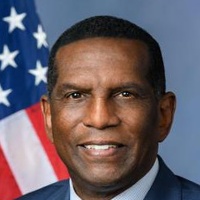
Clarence "Burgess" Owens
Representative
UT-4
The MATCH Act of 2026 aims to modernize workforce development by establishing state-level "talent marketplaces" that connect individuals with jobs and training through standardized digital records and credential registries. The bill creates a new grant program to help states improve their workforce data infrastructure and enhances the accessibility of training provider information. Ultimately, this legislation seeks to create a more transparent, interoperable, and data-driven labor market for job seekers and employers alike.
MATCH Act of 2026 Proposes New Digital Talent Marketplaces to Sync Your Skills with Local Job Openings
The MATCH Act of 2026 aims to overhaul the way states track and connect workers with employers by creating a high-tech 'talent marketplace.' Under this bill, the Department of Labor would carve out 5% to 10% of specific annual workforce funds to provide three-year grants for states to build digital platforms that act like a professional translator between your resume and a job posting. These marketplaces are designed to move away from vague job descriptions and toward a 'skills profile generator' that uses standardized terminology to describe exactly what you can do (Section 2). Whether you learned a trade on a job site or took a coding bootcamp, the goal is to turn those experiences into a machine-readable 'Learning and Employment Record' that you control and can share with potential bosses.
Your Resume, Reimagined
Think of the current job hunt: you spend hours tweaking a PDF resume, hoping a computer algorithm picks up the right keywords. This bill pushes for a 'Credential Registry' where schools and training programs have to list the specific skills their certificates actually provide using a common language. If you are a mechanic looking to transition into EV maintenance, or a retail manager moving into corporate logistics, these marketplaces are intended to show you exactly which skills you already have and which specific training program will fill the gap. Section 2 requires these platforms to be consumer-tested and searchable, so you can compare training programs side-by-side based on real-world outcomes rather than just marketing brochures.
Data Privacy and the Digital Paper Trail
Because this bill involves creating digital records of your entire work and education history, it places a heavy emphasis on 'machine-readable' data that stays under the individual’s control. For the busy professional, this could mean no more hunting down old transcripts or calling HR departments from five years ago to prove your employment. However, while the bill requires states to develop strict data security and privacy policies as part of their grant applications (Section 2), the move toward 'publicly- or privately-owned' platforms means your professional data will be living on new infrastructure. The bill explicitly protects personally identifiable information from being made public on training lists, but the long-term success of the MATCH Act will depend on how well these state agencies manage the security of these massive new talent databases.
Breaking Down State Borders
The act doesn't just look at your local neighborhood; it prioritizes 'multistate data collaboratives.' If you live in a place like the DMV area or the tri-state region where you might live in one state and work in another, this provision is designed to make your credentials and skills profile 'interoperable'—meaning they work across state lines. By amending the Wagner-Peyser Act to include talent marketplace assistance, the bill turns state employment agencies into more of a high-end recruiting service for the general public. For a small business owner, this could mean a more reliable way to find local talent with verified skills, reducing the time and money spent on bad hires who looked good on a traditional, non-standardized resume.