This bill prohibits individuals responsible for severe violations of religious freedom from entering the United States and mandates the public disclosure of their identities.
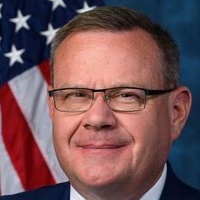
Tim Moore
Representative
NC-14
The Banning Perpetrators of Religious Persecution Act of 2026 restricts foreign individuals who have committed severe violations of religious freedom from entering the United States. The bill mandates that the State Department maintain a public list of these inadmissible individuals, ensuring transparency regarding those responsible for religious persecution. Exceptions to this public disclosure may be granted by the Secretary of State only when necessary to protect U.S. foreign policy interests.
New Federal Bill Bars Religious Persecutors from U.S. Entry and Mandates Public 'Wall of Shame' Starting in 2026.
The Banning Perpetrators of Religious Persecution Act of 2026 aims to slam the door on foreign officials and private individuals who have committed 'particularly severe' violations of religious freedom. Under this bill, anyone—from a government bureaucrat to a private citizen abroad—who has directed, authorized, or significantly supported religious persecution is officially inadmissible to the United States. This isn't just a quiet policy change; the bill requires the State Department to publish the names of these individuals and the locations of their crimes on a public website, effectively stripping away the usual confidentiality that protects immigration records. For everyday Americans, this means a more transparent look at who is being kept out of the country and why, ensuring that those who use power to oppress faith communities don't get to vacation or do business in the U.S.
The Public Ledger of Accountability
The most striking part of this bill is the 'Public Disclosure of Names' provision. Usually, visa records are kept under lock and key, but this legislation overrides Section 222(f) of the Immigration and Nationality Act to name names. Imagine a digital 'wall of shame' where the Secretary of State lists individuals found to have violated religious freedoms. For a local religious leader in the U.S. who has seen their community back home targeted, this provides a concrete mechanism for accountability that goes beyond mere diplomatic statements. It turns a bureaucratic 'no' at the border into a public record of their actions, making it significantly harder for bad actors to hide behind the anonymity of international travel.
The 'Sole and Unreviewable' Loophole
While the bill leans heavily on transparency, it includes a significant 'escape hatch' for the Executive Branch. Section 2 grants the Secretary of State 'sole and unreviewable discretion' to keep a name off the public list if they decide that outing the person would hurt U.S. foreign policy. This is where things get a bit murky. Because this decision is 'unreviewable,' there is no court or oversight body that can challenge the Secretary if they decide to protect a high-ranking official from a strategic ally. While the Secretary must send a report to Congress explaining these exclusions every six months, the public—and the victims of the persecution—might never know who was given a pass or why, creating a potential double standard in how the law is applied.
Real-World Reach and Definitions
To understand who gets caught in this net, the bill points back to the International Religious Freedom Act of 1998 for its definitions. We aren't just talking about high-level dictators; the language covers anyone who 'significantly supported' or 'participated in' violations. This could theoretically apply to a mid-level police officer who authorized a raid on a house of worship or a local official who seized religious property. For a tech worker or a small business owner in the U.S. who immigrated from a country with religious tension, this bill acts as a safeguard, ensuring that the very people they may have fled cannot follow them here to enjoy the benefits of American society. However, the implementation challenge lies in the evidence: the State Department will have to build these cases based on available intelligence, which can be a complex and slow-moving process.