This bill establishes a new DOJ oversight office to review FISA surveillance applications and mandates the appointment of an independent legal advisor for all proceedings before the Foreign Intelligence Surveillance Court.
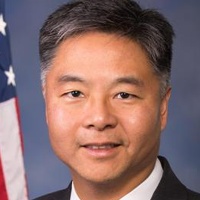
Ted Lieu
Representative
CA-36
The Protecting Americans from Unauthorized Surveillance Act strengthens oversight of government surveillance by establishing a new FISA Oversight Office within the Department of Justice to rigorously evaluate surveillance applications. Additionally, the bill mandates the appointment of an independent legal advisor (amicus curiae) for all FISA court proceedings to ensure greater accountability and protection of civil liberties.
New Surveillance Bill Mandates Independent Oversight and Legal Checks for Every FISA Warrant Application
The Protecting Americans from Unauthorized Surveillance Act aims to fundamentally change how the government gets permission to monitor communications. Under current rules, the Foreign Intelligence Surveillance Court (FISC) often hears only the government's side of the story when federal agencies want to start surveillance. This bill changes the game by creating a dedicated FISA Oversight Office within the Department of Justice and requiring that an independent legal expert—an 'amicus curiae'—be present for every single application under Title I of FISA. This means that before a judge signs off on a warrant, there is now a mandatory second set of eyes specifically looking for reasons why that warrant might not meet the legal bar.
A New Watchdog in the DOJ
Section 2 of the bill establishes a FISA Oversight Office that acts like a built-in quality control department. For every surveillance application filed, this office must review the evidence to see if it actually meets the 'probable cause' standard. If the government is targeting a U.S. person—think of a local software developer or a small business owner—and the evidence is shaky, the office is legally required to step into the court case and file a motion to challenge it. To make this work, federal agencies are now forced to hand over all available evidence to this oversight office whenever a U.S. person is involved. It’s essentially a 'check your homework' provision for federal investigators.
Independent Legal Defense for the Constitution
One of the biggest shifts comes in Section 3, which moves the appointment of an amicus curiae from 'optional' to 'mandatory.' In the past, the court only brought in these independent legal advisors for exceptionally rare or complex cases. Now, for every Title I application, the court must appoint one. Imagine you’re in a legal dispute, but you aren't allowed to be in the room; the amicus is the person who stands in that room to ensure the law is followed and your rights are protected. This ensures that the government's arguments are tested by a neutral legal expert before a surveillance order is ever issued.
Receipts and Accountability
Transparency is a major theme here, with a strict 365-day deadline for the Attorney General and the Director of National Intelligence to report back to Congress. This isn’t just a summary; they have to disclose exactly how many times the Oversight Office challenged a warrant and, perhaps more importantly, how many times they chose not to challenge one and why. For the average person, this means that while surveillance often happens in the dark, there is now a paper trail that lawmakers can use to spot patterns of overreach or identify agencies that are cutting corners. While this adds extra steps for law enforcement, it builds a structural buffer between private citizens and the power of federal surveillance.