This bill establishes a program allowing airport operators to contract with qualified private companies for security screening services under federal oversight and reporting requirements.
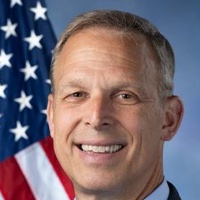
Scott Perry
Representative
PA-10
The Expanding Private Airport Security Screening Act allows airport operators to contract with qualified private companies to perform passenger and property security screening. Under this program, the TSA maintains strict federal oversight, including mandatory supervision, covert testing, and rigorous performance standards for private personnel. The bill also establishes liability protections for airports and requires the TSA to provide annual reports comparing the performance and costs of private screening services against federal operations.
Expanding Private Airport Security Screening Act: Airports Gain Power to Replace TSA with Private Contractors
The Expanding Private Airport Security Screening Act creates a fast track for airports to swap out federal TSA agents for private security firms. Under this bill, an airport operator can choose a company from a government-approved list and start the transition process in as little as 30 days. While the TSA would still provide supervisors and law enforcement, the people actually checking your bags and patting you down would work for a private corporation rather than the federal government. To keep things honest, the TSA is required to run 'covert testing'—basically undercover audits—to make sure these private teams are actually catching what they’re supposed to.
The Liability Shield
One of the most significant fine-print details in Section 2 is a new legal 'get out of jail free' card for airport operators. If a private security guard or a federal supervisor mess up—whether it's a simple mistake or 'intentional wrongdoing'—the airport itself generally cannot be sued for those damages. For a traveler, this means if your rights are violated or your property is damaged during a screening, the legal path to accountability becomes a lot more complicated. You’d likely have to pursue the private contractor directly, while the airport where the incident happened stays protected by this federal shield.
Checking the Receipts
Because private doesn't always mean cheaper, the bill forces the TSA to get very specific with their accounting. Section 3 requires an annual report to Congress that compares the cost of these private contracts against what it would have cost the federal government to do the same job. This includes a breakdown of every single dollar spent by every federal agency involved. For taxpayers, this is a rare bit of transparency that shows whether privatization is actually saving money or just shifting the bill to a different column. If you’re a regular flyer, you’ll also be able to see a 'performance report card' on the TSA website, comparing how private teams stack up against federal ones in terms of speed and security hits.
Real-World Shifts
For the roughly 45,000 TSA employees currently working, this bill introduces a major element of job uncertainty. A local airport could decide to go private on a whim, notifying the TSA only seven days after signing a contract. For passengers, the experience might feel the same at the gate, but the underlying structure changes. While the bill tries to prioritize U.S.-owned companies, it leaves a loophole: if the TSA Administrator decides a U.S. company isn't 'available,' they can look elsewhere. This means your security could eventually be handled by a firm with complex international corporate ties, provided they meet the same training standards as federal agents.