This bill mandates the transfer of the Department of Homeland Security’s Special Events Program and its associated resources to the Office of Situational Awareness within 180 days.
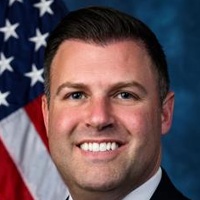
Ryan Mackenzie
Representative
PA-7
The Special Events Program Alignment Act of 2026 mandates the transfer of the Department of Homeland Security’s Special Events Program to the Office of Situational Awareness. This transition, required within 180 days of enactment, includes the relocation of all associated personnel, assets, records, and funding to streamline departmental oversight.
DHS Special Events Program to Move Under Office of Situational Awareness in 180-Day Department Shuffle
The Special Events Program Alignment Act of 2026 is essentially a corporate reorganization for the Department of Homeland Security (DHS). Within 180 days of this bill becoming law, the Secretary of Homeland Security is required to move the entire Special Events Program into the Department’s Office of Situational Awareness. This isn’t just a name change on a door; the bill mandates a full-scale transfer of every function, staff member, physical asset, and record, along with any leftover cash currently sitting in the program’s budget (Section 2). For the average person, this is the government equivalent of a company moving its event planning team into the data and monitoring department to get everyone on the same page.
Moving Day at DHS
This move is a logistical heavy lift with a tight six-month deadline. By shifting the Special Events Program—which typically handles security coordination for high-profile gatherings like the Super Bowl or major political conventions—into the Office of Situational Awareness, the bill aims to consolidate resources. For a local police chief or a city manager planning a major festival, this means the federal point of contact for security support might soon have a different boss and a different reporting structure. The goal of Section 2 is to ensure that the people who monitor threats (Situational Awareness) are sitting at the same table as the people helping to secure big public events.
Administrative Housekeeping
While this might sound like bureaucratic inside baseball, the real-world impact is about streamlining. If you are a small business owner operating near a venue for a federally designated special event, the efficiency of this transfer could affect how quickly security perimeters are established or how information is shared with local authorities. Because the bill is highly specific about moving "unexpended balances of appropriations" (Section 2), it ensures that the money follows the mission, preventing the program from being hamstrung by a lack of funds during the transition. It is a straightforward administrative cleanup designed to make the gears of government turn a bit more smoothly without changing the actual rules on the ground.