The Money Where Our Mouths Are Act prohibits Members of Congress from receiving pay during any period of a federal government shutdown.
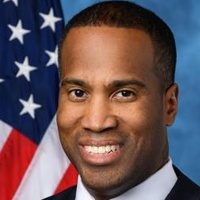
John James
Representative
MI-10
The Money Where Our Mouths Are Act mandates that Members of Congress forfeit their pay for every day a government shutdown is in effect. This legislation ensures that lawmakers are financially impacted by lapses in federal funding, holding them accountable for failing to pass necessary appropriations bills.
No Budget, No Pay: New Bill Hits Congressional Wallets During Government Shutdowns Starting in 2027
The Money Where Our Mouths Are Act introduces a direct financial penalty for lawmakers when they fail to keep the lights on in Washington. Under this bill, Members of Congress will lose one day’s worth of salary for every 24-hour period the federal government is shut down. This isn't just a pay delay—it is a permanent withholding of funds, calculated by dividing their annual salary by the number of days in the year. If the doors of federal agencies are locked because an appropriations bill or a continuing resolution hasn't been signed, the paychecks for the House and Senate are docked immediately.
Skin in the Game
This legislation aims to bridge the gap between the people who make the budget and the federal employees who usually suffer the consequences of a stalemate. For example, during past shutdowns, a TSA agent or a National Park ranger might have worked without a paycheck or been furloughed entirely, while the lawmakers debating the budget continued to receive their salaries. Section 2 of this bill changes that dynamic by ensuring that if a software developer at a federal agency is facing a pay lapse, the Representative or Senator representing them is feeling the same pinch in their own bank account. The bill specifically defines a shutdown in Section 3 as any lapse in funding for any federal agency, meaning even a partial shutdown triggers the pay freeze.
The Mechanics of Accountability
To make sure this isn't just a symbolic gesture, the bill puts the responsibility on the House and Senate payroll administrators—the Chief Administrative Officer and the Secretary of the Senate—to calculate and withhold the money. They are required to work with the Secretary of the Treasury to ensure the math is right and the money stays in the Treasury. The definition of 'Member of Congress' in Section 4 is broad, covering rank-and-file members and leadership alike, ensuring no one is exempt from the financial fallout of a legislative deadlock.
Coming to a Paycheck Near You (Eventually)
While the bill is clear and direct, it won't impact the current term. The rules are set to kick in starting with the 120th Congress, which begins in January 2027. This delay respects the constitutional principle that one Congress cannot change its own pay mid-term, but it sets a hard deadline for future sessions. For the average person juggling a mortgage and rising grocery costs, this bill represents a shift toward 'real-world' consequences in the halls of power, treating a failure to pass a budget like a failure to show up for a shift at any other job.