This bill reforms the charter, governance, and administrative oversight of the Congressional Office for International Leadership to enhance its nonpartisan mission of fostering global connections through legislative exchange programs.
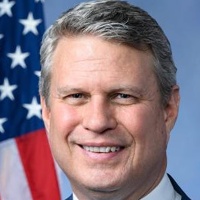
Bill Huizenga
Representative
MI-4
The Congressional Office for International Leadership Accountability and Reform Act of 2026 reforms the charter and governance of the Congressional Office for International Leadership. This legislation establishes a new 12-member Board of Trustees, formalizes administrative and financial oversight, and updates the framework for managing international exchange programs for emerging global leaders.
Congress Overhauls International Leadership Office: New 3,500-Person Annual Cap on Foreign Exchange Grants and Stricter Financial Audits.
The Congressional Office for International Leadership (COIL) is getting a major structural makeover. This bill formally reboots the office’s charter to focus on connecting emerging global leaders—think young politicians and civic activists from other countries—with American foreign policy through exchange programs. It sets hard limits on these visits, capping the program at 3,500 participants per year and ensuring no individual guest stays longer than 30 days. For the community organizations and local groups that host these visitors, the bill clarifies exactly what the government will pay for: travel, lodging, and administrative costs, provided the hosts can prove they are keeping things strictly nonpartisan.
A New Board in the Driver’s Seat
To keep the office from becoming a political football, the bill creates a 12-member Board of Trustees. This isn't just a group of bureaucrats; it includes heavy hitters from both the House and Senate leadership, plus four private citizens. This board has the power to decide which countries are 'eligible' for these programs, though they have to give Congress a 90-day heads-up before adding or removing a nation. For the average taxpayer, the most important part of this new structure is the 'Accountability' in the bill’s title. The Executive Director, who now serves a six-year term, is required to submit annual audited financial statements. These aren't just internal checks—an independent external auditor must sign off on them, and the Comptroller General has the right to dig through the books at any time.
Real-World Stakes for Local Hosts
If you run a local non-profit or a community group that hosts international delegations, the rules of engagement are now much clearer. You’ll have to apply for grants by providing a full calendar of events and showing exactly how you’ll support the mission without picking political sides. One interesting detail: the Executive Director must notify your local Member of Congress at least 30 days before a funded event happens in your district. This ensures that when a group of emerging leaders from an 'eligible foreign state' shows up at a local town hall or a small business tour in your neighborhood, the local representative isn't caught off guard.
The Fine Print on Funding and Power
The bill also grants the Executive Director some serious administrative muscle, like the ability to hire experts at high-level pay scales and even solicit private donations to help fund the office's mission. While this flexibility helps the office move faster than a typical government agency, the bill balances it with transparency. All donations and taxpayer funds go into a specific Treasury fund, and the Librarian of Congress is tasked with providing the physical office space and legal support—for a fee. While the bill allows the board to waive certain contract bonding requirements with a two-thirds vote, the overall shift is toward a more professional, corporate-style management of international diplomacy at the legislative level.