The Bonneville Power Leadership Recruitment Act authorizes the Secretary of Energy to adjust the compensation of the Bonneville Power Administrator and agency employees to remain competitive with comparable consumer-owned utilities.
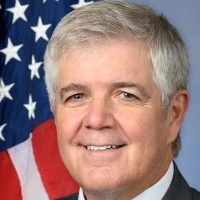
Cliff Bentz
Representative
OR-2
The Bonneville Power Leadership Recruitment Act modernizes the compensation structure for the Bonneville Power Administrator and agency employees. It requires the Secretary of Energy to set pay rates comparable to those of similar positions at consumer-owned utilities in the Western Interconnection. This initiative aims to ensure the agency remains competitive in recruiting and retaining the high-level talent necessary to fulfill its mission.
Bonneville Power Leadership Recruitment Act Decouples Executive Pay from Federal Scales to Match Utility Industry Standards
The Bonneville Power Leadership Recruitment Act moves the Bonneville Power Administration (BPA) away from standard government pay scales, allowing the Secretary of Energy to set salaries for the Administrator and staff based on what private-sector and consumer-owned utilities are paying in the West. Starting six months after the bill becomes law, the agency will stop using the fixed federal pay schedule for its leadership and instead rely on an annual survey of 'Western Interconnection' utilities to determine competitive market rates. The goal is to ensure the BPA can hire and keep people who have the high-level expertise required to manage a complex power grid that serves millions of people across several states.
The Market Rate Shift
Under Section 2, the Secretary of Energy is tasked with conducting a yearly survey of compensation at similar utilities to set base pay. This means if you are a senior engineer or an executive at BPA, your paycheck will soon look more like what your counterparts at a large regional utility make rather than what a typical DC-based bureaucrat earns. For the average ratepayer in the Northwest, this is a 'quality of talent' play. The bill explicitly states that these pay decisions must encourage the 'widest use of electric power at the lowest possible rates' (SEC. 2), suggesting that while salaries might go up to attract top-tier managers, those managers are expected to find efficiencies that keep your monthly electric bill stable.
Measuring the Intangibles
One interesting wrinkle in the bill is the criteria for setting these new salaries. Beyond just looking at years of experience or education, the Secretary must consider subjective traits like 'strategic vision,' 'intelligence,' and 'accountability.' While this allows for flexibility in hiring a visionary leader who can navigate the transition to renewable energy, it also introduces a level of vagueness. Without a strict cap or specific metrics for what 'strategic vision' is worth in dollars, there is a risk that administrative costs could climb faster than expected. However, the bill requires these raises to stay within the Administrator's approved annual budget, which acts as a built-in guardrail against unchecked spending.
Why This Matters for Your Bill
For the tech worker in Portland or the rancher in Idaho, the BPA is the backbone of the regional economy, providing reliable, low-cost hydropower. By shifting to a market-based pay model, the agency is betting that paying more for leadership will prevent the 'brain drain' to the private sector. The long-term impact hinges on whether these highly-compensated leaders can actually deliver on the bill’s promise of maintaining low rates. If the cost of high-level recruitment is absorbed by the agency’s existing budget, it’s a win for stability; if administrative overhead grows too large, it could eventually create upward pressure on the rates charged to local utility companies.