This bill establishes a permanent, full-risk Accountable Care Organization (ACO) program within Medicare to incentivize providers to take complete financial responsibility for managing patient care to improve outcomes and lower costs.
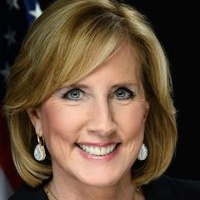
Claudia Tenney
Representative
NY-24
This bill establishes a permanent Full Risk Accountable Care Organization (ACO) Program within Medicare to improve health outcomes and lower costs. It allows provider groups to take on full financial responsibility for managing the care of their Medicare patients in exchange for innovative payment models. The program offers options like primary care capitation or total care capitation, moving providers away from traditional fee-for-service payments. It mandates full financial risk sharing for savings and losses, with specific structures for standard and complex care ACOs.
Medicare Overhaul: New 'Full Risk' ACO Program Kicks Off by 2026, Shifting Billions in Healthcare Costs to Providers
Alright, let's talk Medicare, because a new bill is looking to shake things up for how your doctors and hospitals get paid, and what that could mean for your care. We're looking at a permanent program called the Full Risk Accountable Care Organization (ACO) Program, set to roll out by June 30, 2026. Think of it as a big move away from the traditional 'fee-for-service' model, where doctors get paid for every single test or visit. Instead, this new setup wants healthcare providers to take full financial responsibility for managing your care, especially if you're a Medicare beneficiary with a bunch of chronic conditions.
The Big Shift: Trading Fees for Full Responsibility
So, what does 'full financial responsibility' actually mean? Right now, if you go to the doctor, Medicare pays for that visit. Under this new ACO program, groups of doctors, hospitals, and other healthcare providers (the ACOs) would get a set amount of money each month per patient. If they manage your care efficiently and keep you healthy, they get to keep some of the savings. But here's the kicker: if your care ends up costing more than that set amount, they eat the difference. We're talking about a 100% share of both savings and losses. This is a huge change from the current system, where providers have less direct financial incentive to coordinate care or prevent costly hospitalizations. For a small clinic or even a mid-sized hospital, taking on that kind of financial risk could be a make-or-break situation, potentially affecting staffing or the types of services they can realistically offer.
Your Care: Coordinated, But With a Catch?
One of the big promises here is better, more coordinated care. ACOs would be required to provide individualized care plans, including everything from coordinating transitions between different care settings (say, from the hospital back home) to offering social support and behavioral health services. They're even talking about in-home care and using technology to track patients. This sounds great, especially for folks juggling multiple health issues, like a retiree managing diabetes, heart disease, and arthritis. The idea is that everyone involved in your care is on the same page, working to keep you healthy and out of the emergency room.
However, the bill also allows the Secretary of Health and Human Services to waive certain Medicare and other laws as needed to implement the program. Now, on one hand, this flexibility could help innovative care models get off the ground faster. On the other hand, it’s a pretty broad power. It means some existing rules designed to protect patients or ensure quality could potentially be bypassed without much public discussion. If an ACO is struggling financially, would they be tempted to cut corners if certain oversight rules are waived? It's a question worth asking, especially when the financial pressure is so high.
Money Talk: Capitation and Unknowns
There are a few ways these ACOs could get paid. One is Primary Care Capitation, where they get a monthly payment just for your primary care, up to 7% of what Medicare typically spends on you in a year. Another, more intense option, is Total Care Capitation (TCC), where they get a monthly payment covering all your Medicare Part A and Part B services. If a provider chooses TCC, Medicare stops paying them for individual services entirely. This is where the 100% of savings and losses really hits home.
While the bill talks about risk corridors to limit extreme financial losses or gains, the specifics of how these will work aren't detailed here. For a small practice, knowing they're on the hook for all costs beyond a certain point, without a clear safety net, could make them hesitant to join. This could mean fewer options for beneficiaries if smaller, independent practices decide the risk is just too high. It's a big gamble for providers, and how it plays out will directly impact the availability and type of care you receive.
Who Benefits and Who Bears the Brunt?
On the surface, Medicare beneficiaries, especially those with complex health needs, could see a real improvement in how their care is managed. If ACOs succeed, we could see better coordination, fewer hospital visits, and a more holistic approach to health. Healthcare providers who manage to thrive in this new model could also see benefits, gaining more flexibility and potentially sharing in significant savings.
However, the flip side is that ACOs that don't manage costs well could face serious financial trouble. This could lead to them cutting services, struggling to retain staff, or even going out of business, which would ultimately hurt patients. The requirement for a financial guarantee to even participate is a significant hurdle that might exclude smaller or less resourced providers, potentially consolidating care into larger systems. So, while the goal is better care for everyone, the path to get there is paved with some serious financial risks that could reshape the healthcare landscape for providers and, by extension, for you.