The 988 Connect Act establishes grants for crisis center follow-up services and mandates technical improvements to ensure universal access to the 988 suicide prevention hotline.
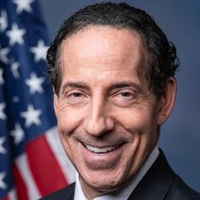
Jamie Raskin
Representative
MD-8
The 988 Connect Act strengthens the national suicide prevention and mental health crisis hotline by establishing a grant program to provide essential follow-up care for individuals in crisis. Additionally, the bill mandates technical improvements to ensure that all mobile devices and multi-line telephone systems can directly connect users to 988 services.
988 Connect Act Sets $30 Million for Crisis Follow-Ups and Mandates Direct Dialing from Offices and Hotels
When the national 988 suicide prevention lifeline launched, it was a massive step for mental health, but getting through to help shouldn't depend on what kind of phone you're holding or where you're working. The 988 Connect Act is designed to close the technical gaps that still exist in our crisis response system while ensuring that the conversation doesn't just end when you hang up the phone. By authorizing $30 million for fiscal year 2027, the bill shifts the focus from just answering the call to providing 'follow-up services'—think of it as a professional safety net that checks in on you after the initial crisis has passed to make sure you’re actually getting the long-term support you need.
Closing the Connectivity Gap
Section 3 of the bill tackles a frustrating technical hurdle: the multi-line telephone systems (MLTS) used in office buildings, hotels, and college campuses. Currently, many of these systems require you to dial '9' or another prefix to get an outside line, which can be a dangerous barrier during a mental health emergency. Under this legislation, these systems must be configured for direct 988 dialing within two years. It also directs the FCC to ensure that mobile carriers transmit 988 calls and texts even from 'non-service-initialized' handsets—basically, those old cell phones sitting in your junk drawer that don't have an active data plan but can still hit an emergency tower.
Beyond the Initial Call
The heart of the bill is the new grant program for crisis centers. Instead of a 'one and done' interaction, centers can use federal funds to provide check-ins, assess ongoing risk, and coordinate with mobile crisis teams or emergency departments (Section 2). For a person leaving an inpatient unit or a student who just visited an urgent behavioral health clinic, this means receiving active outreach to ensure they haven't fallen through the cracks. It’s a move toward treating a mental health crisis like a physical one—where the follow-up appointment is just as important as the ER visit.
The Cost of Compliance
While the bill is a win for public safety, it does put a deadline on the people running large facilities. If you manage an office complex or a hotel, you’ll have two years to make sure your phone system allows for that direct 988 dial. The bill is fair to those with older tech, though: if your system was installed before the two-year mark and literally cannot be updated without a total hardware or software overhaul, you may be exempt from the immediate requirement. However, for most modern digital systems, a software update will likely be the new standard to ensure that seeking help is as seamless as dialing 911.