The Access to LARCs Act directs the Secretary of Health and Human Services to study and report on barriers to contraceptive access at community health centers located in health care deserts.
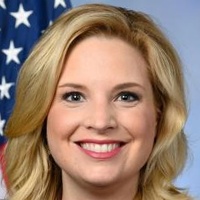
Ashley Hinson
Representative
IA-2
The Access to LARCs Act directs the Secretary of Health and Human Services to study and report on the barriers to accessing a range of contraceptive methods at community health centers located in health care deserts. This legislation aims to identify challenges related to reimbursement, provider training, and inventory to help improve reproductive health access for underserved populations.
Access to LARCs Act Mandates Federal Study on Contraceptive Barriers in Healthcare Deserts
The Access to LARCs Act initiates a targeted federal investigation into why women in underserved areas—specifically 'healthcare deserts'—struggle to access long-acting reversible contraception (LARCs) and other birth control methods at community health centers. By definition in Section 2, a healthcare desert is any area with fewer than one community health center for every 1,000 eligible women. The bill requires the Secretary of Health and Human Services to dig into the logistical weeds, analyzing everything from reimbursement headaches and inventory stocking issues to whether local doctors have the right training to actually provide these services. Within 180 days of the bill becoming law, a full report must be delivered to Congress detailing exactly what is standing in the way of reliable access.
Mapping the Deserts
This isn't just a general inquiry; it’s a deep dive into the plumbing of the public health system. Under Section 2, the study specifically focuses on 'women in need,' which refers to those eligible for federal health programs like Medicaid. For a working professional or a student in a rural county where the nearest clinic is an hour away and often out of stock, this study aims to identify the 'why' behind those empty shelves. The bill looks at 'inventory stocking' and 'reimbursement issues,' which are policy-speak for the fact that many clinics can’t afford to keep expensive devices like IUDs on hand if the government doesn't pay them back quickly or adequately. By identifying which centers also receive Title X funding, the government is trying to see if extra layers of federal support are actually making a difference on the ground.
The Fine Print on 'Contraception'
While the bill aims to broaden access, it uses a very specific filter for what counts as a 'contraceptive method.' According to the definitions in Section 2, the study covers drugs and devices approved by the FDA for birth control, but it explicitly excludes emergency contraception (like the morning-after pill), natural family planning, and sexual risk avoidance education. This means the resulting report will be a specialized look at long-term and routine methods—like the pill, patches, or IUDs—rather than a total snapshot of reproductive healthcare. For a local clinic administrator, this study could eventually lead to better training and more predictable funding for the most effective, long-term options, but it won't address gaps in emergency care or alternative planning methods.