This bill establishes a priority review process to make certain oral contraceptives available over-the-counter for adults while requiring a GAO study on federal funding for contraceptive services.
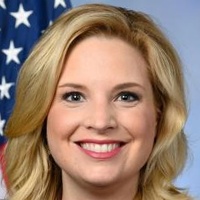
Ashley Hinson
Representative
IA-2
The Allowing Greater Access to Safe and Effective Contraception Act establishes a priority review process to make certain oral contraceptives available over-the-counter for adults aged 18 and older. The bill also mandates a comprehensive GAO study to track federal spending on contraceptive-related activities across various government programs over the past 15 years.
New Contraception Bill Proposes Over-the-Counter Access for Adults and 15-Year Federal Spending Audit
This bill aims to move routine birth control pills from the pharmacy counter to the open aisles for adults. By directing the Secretary of Health and Human Services to fast-track applications for oral contraceptives to become over-the-counter (OTC) drugs, the legislation seeks to cut through the usual bureaucratic red tape. To sweeten the deal for drug makers, the government would waive the standard application fees, provided the medication is for routine use and not an emergency contraceptive or related to induced abortions. For a 28-year-old professional or a busy parent, this could eventually mean grabbing a pack of birth control along with vitamins or shampoo, skipping the time-consuming doctor’s visit and the wait for a prescription refill.
The Age Gap and Access Rules
While the bill clears a path for adults, it draws a firm line at age 18. Under Section 2, anyone under the age of 18 would still be required to obtain a prescription from a healthcare provider for these same medications, even after they receive OTC approval for older users. This creates a two-tiered system at the pharmacy: an adult can walk out with the product immediately, but a 17-year-old student or worker would still need to navigate the healthcare system, secure an appointment, and manage the logistics of a traditional prescription. This provision ensures that for minors, the existing medical oversight remains a mandatory part of the process.
Auditing the Paper Trail
Beyond the pharmacy shelf, the bill initiates a massive deep dive into how the government has handled reproductive health money over the last decade and a half. Section 3 mandates that the Government Accountability Office (GAO) conduct a comprehensive study of every federal dollar spent on contraception since roughly 2009. This isn't just a quick glance at the books; it covers everything from Medicaid and Medicare to the Indian Health Service, TRICARE for military families, and even local federally-qualified health centers. The report will look at how much was spent on actual pills and devices versus provider training and patient education.
Real-World Stakes and Implementation
For the average person, the immediate impact is a potential shift in convenience and cost. If you are an adult, the removal of the prescription requirement could save you the 'hidden costs' of birth control—like taking time off work for an annual exam or paying a co-pay just to get a refill authorized. However, the bill’s explicit exclusion of emergency contraception from the priority review list means those seeking 'Plan B' style options won't see the same expedited regulatory path. Meanwhile, the results of the 15-year GAO audit could lead to future shifts in how programs like Title X family planning or community health centers are funded, potentially changing the landscape for those who rely on subsidized care.